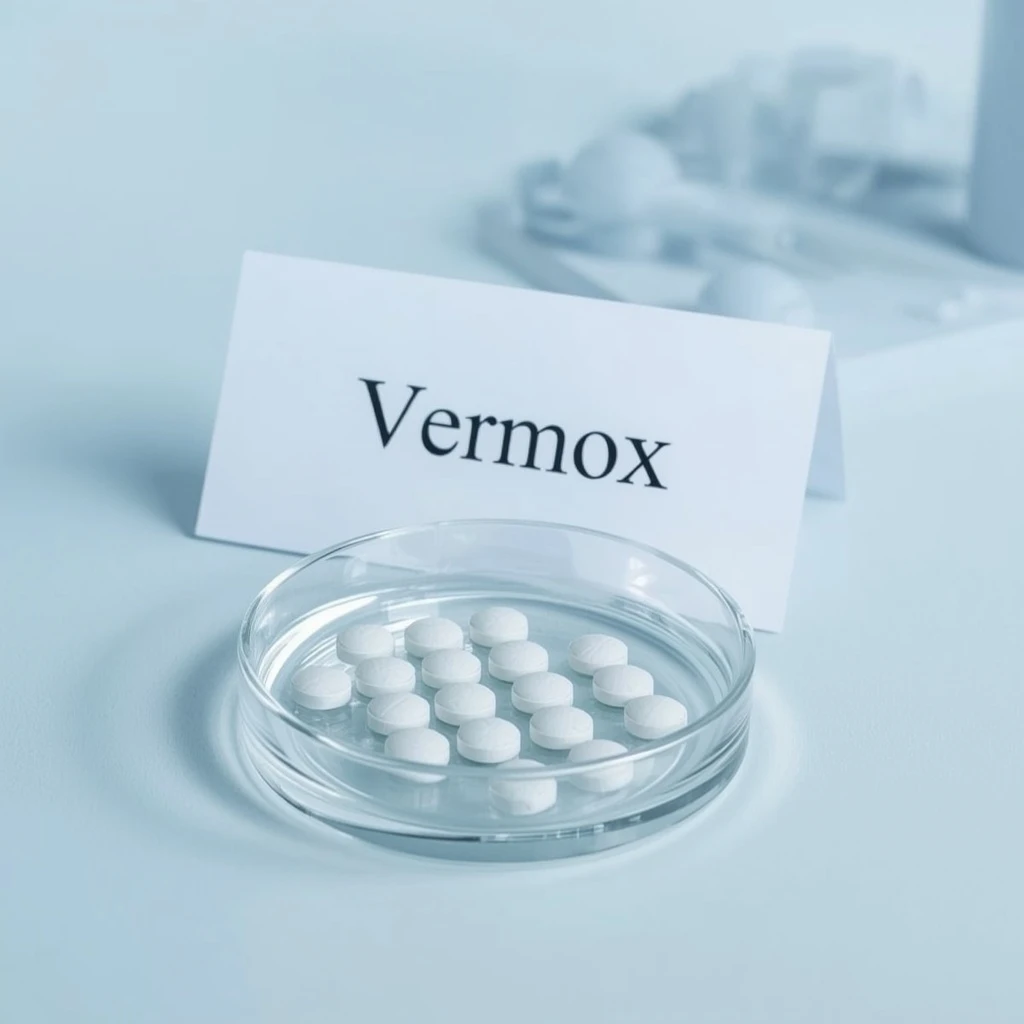
Vermox is a broad-spectrum anthelmintic medicine that targets several types of intestinal worms commonly seen in both children and adults. It is often recommended for pinworm (threadworm) infections, which frequently spread in families and group-living settings, as well as for roundworm and whipworm infections. In some cases, Vermox is used to manage mixed worm infections when more than one species is present at the same time. By interfering with the parasites’ ability to use glucose, Vermox slowly starves the worms until they die and are expelled in the stool.
Healthcare providers value Vermox because it is generally well tolerated, works directly in the gut with minimal absorption into the bloodstream, and can sometimes be given as a single dose, depending on the infection. This makes it particularly useful when adherence to long treatment courses might be challenging. It is not an over-the-counter dewormer in the United States, but it is a mainstay in global public health campaigns that aim to control soil-transmitted helminths and improve nutritional status in affected populations.
In routine clinical practice, Vermox is often prescribed when a patient reports persistent anal itching at night (a classic pinworm symptom), visible small white worms around the anus or in the stool, unexplained abdominal discomfort, or when a stool test confirms parasitic infection. While the medication helps eradicate worms, it should be paired with good hygiene measures—such as frequent handwashing, washing bedding in hot water, and trimming fingernails—to reduce the risk of reinfection and spread to other household members.
The exact Vermox dosage and treatment duration depend on the type and severity of the worm infection, the patient’s age, and their overall health status. For many uncomplicated pinworm infections in otherwise healthy adults and children, treatment often consists of a single dose, followed by a repeat dose two weeks later to catch any newly hatched worms. For roundworm, whipworm, or mixed infections, dosing may be extended over several days. Always follow the instructions provided with your specific product or by a licensed professional, as strengths and regimens may vary between countries and brands.
Patients looking for prescription medications often appreciate the convenience of finding a broad selection of healthcare products in one trusted online pharmacy. While researching a specific medicine, many visitors continue exploring other well-known treatments available through our catalog for future healthcare needs. Colchicine remains one of the most frequently viewed products on our website and continues to attract interest from returning customers. If you would like to explore another established prescription medication, you can buy colchicine in our store and review its detailed information.
Vermox tablets can usually be taken with or without food, but taking them with a small meal may reduce stomach upset in sensitive individuals. Some tablets are chewable or crushable, which can be helpful for people who have difficulty swallowing pills, including many seniors. Swallow the medication with a full glass of water, and avoid taking more than the recommended amount, since higher doses do not necessarily lead to faster cure and may increase the risk of side effects.
When Vermox is used in a household or institutional outbreak, it is common for multiple family members or close contacts to be treated at the same time, even if only one person has symptoms. This approach can help break the transmission cycle for pinworms and other easily spread parasites. Carefully read the dosing instructions that come with your Vermox package, and coordinate with a healthcare provider or a support team like the one at Heritage Senior Center if you are unsure how to plan treatment for multiple people in a home or care facility.
If you have liver disease, inflammatory bowel conditions, or other chronic illnesses, discussion with a healthcare professional before starting Vermox is especially important. They may recommend dose adjustments, a different dosing schedule, or additional laboratory monitoring. Seniors who take multiple medications should also review their regimen, as polypharmacy can influence how any new drug is handled in the body. Never extend the course of Vermox beyond what is recommended without medical advice, even if you still see mild symptoms, as lingering symptoms can sometimes result from irritation rather than active infection.
Before you start Vermox, it is wise to confirm, as best as possible, that your symptoms are consistent with a worm infection. While anal itching, disturbed sleep, and seeing small worms in the stool are typical for pinworms, abdominal pain, diarrhea, weight loss, or fatigue can have many other causes that Vermox will not treat. If symptoms are severe, persistent, or accompanied by fever, vomiting, or blood in the stool, seek in-person medical care promptly rather than self-treating. A stool examination or “tape test” for pinworms can sometimes provide a clear diagnosis.
Tell your healthcare provider or the supporting team at Heritage Senior Center if you have a history of liver disease, kidney problems, inflammatory bowel disease, autoimmune disorders, or previous allergic reactions to anthelmintic medications. Although Vermox is generally minimally absorbed, people with underlying liver impairment may clear the drug more slowly. In rare cases, serious skin reactions or liver injury have been reported with medicines in this class, so any history of unexplained rash, jaundice, or liver test abnormalities after medication use should be discussed before you take Vermox.
Special caution is required during pregnancy and breastfeeding. In many settings, Vermox is avoided during the first trimester of pregnancy unless the potential benefits clearly outweigh the risks, because the early developing fetus is particularly sensitive to any drug exposure. Later in pregnancy, some health authorities may allow its use under supervision when the mother has a heavy parasitic burden, but this must be individualized. If you are pregnant, planning pregnancy, or breastfeeding, consult a qualified provider before using Vermox, even if it is easily available online.
For families with children, keep in mind that younger children can become reinfected quickly in environments with poor hand hygiene or frequent hand-to-mouth behavior. It is important to wash hands thoroughly after using the bathroom, before eating, and after changing diapers or assisting with toileting. Clean frequently touched surfaces, vacuum carpets, and wash pajamas and bedding frequently in hot water during and shortly after treatment. These simple public health measures enhance the effectiveness of Vermox and can significantly reduce the chance of endless cycles of reinfection in the home.
Vermox is not suitable for everyone. It is generally contraindicated in people who have shown hypersensitivity or a severe allergic reaction to Vermox itself or to any of its inactive ingredients in the past. Signs of a serious reaction might include swelling of the face or throat, difficulty breathing, severe rash, or sudden dizziness after taking an earlier dose. If such symptoms ever occurred, Vermox should be avoided in the future, and alternative antiparasitic therapy should be selected by a healthcare professional who is aware of the reaction.
Some guidelines advise against using Vermox in young infants or in severely malnourished individuals without medical supervision, because safety data are more limited in these vulnerable groups. Similarly, people with known serious liver disease or significant blood disorders may be advised to avoid Vermox, or to use it only under close monitoring, depending on local protocols and the intensity of the parasitic infection. In regions where certain tissue-dwelling parasites such as hydatid disease are common, specialist input is sometimes needed, as treatment regimens can differ significantly from simple intestinal worm management.
Pregnancy, particularly the first trimester, is often listed as a relative or absolute contraindication in many product labels for Vermox. Decisions about treating pregnant individuals for worms are complex and require weighing potential risks from the medication against the harms of untreated infection, such as anemia or poor weight gain. Because of this balance, pregnant women should not independently decide to take Vermox acquired without a prescription; they need tailored advice from a clinician familiar with their situation.
If there is any uncertainty about whether Vermox is appropriate for you due to preexisting medical conditions or previous reactions to medications, do not rely solely on general online information. Engage with a healthcare provider or use structured support services such as those integrated into Heritage Senior Center’s program. They can review your health history, current medications, and local treatment recommendations to determine if Vermox is an appropriate and safe choice or if an alternative is needed.
Most people tolerate Vermox well, especially when used for short courses at standard doses. The most frequently reported side effects tend to be mild and temporary, including stomach pain, nausea, gas, or loose stools. These digestive symptoms often reflect both the medication’s presence in the gut and the body’s process of eliminating dead or dying worms. In many cases, symptoms resolve on their own within a few days and do not require treatment beyond rest, adequate fluids, and gentle foods.
Less common side effects may include headache, dizziness, or a feeling of fatigue. These can be bothersome but are typically short-lived. If these symptoms interfere with daily activities, it may be wise to avoid driving or operating machinery until you know how Vermox affects you. Seniors in particular should rise slowly from sitting or lying positions if they feel lightheaded, as they may be more prone to balance issues and falls when unsteady.
Serious adverse reactions to Vermox are rare but require urgent attention. They can include severe skin reactions (such as blistering rash, peeling skin, or sores in the mouth), persistent or worsening abdominal pain, yellowing of the skin or eyes (jaundice), dark urine, or unusual bruising and bleeding. These signs may suggest serious allergic response, liver involvement, or blood cell changes. If any such symptoms appear, stop taking Vermox and seek immediate medical evaluation rather than continuing treatment.
Because intestinal parasites themselves can cause discomfort, it is sometimes difficult to distinguish between a side effect of Vermox and symptoms of the underlying infection or the body’s inflammatory response as worms die off. If you are uncertain, keep a brief symptom diary noting the timing of doses and any new complaints. Sharing these details with a clinician or with Heritage Senior Center’s support personnel can help determine whether it is safe to continue the medication or whether an alternative approach should be considered.
Vermox has relatively few widely recognized drug interactions, but combining it with certain medications can still alter its effects or increase the risk of side effects. Some medicines that affect liver enzymes, including certain antiepileptic drugs and antibiotics, may change the way Vermox is processed in the body. In those situations, Vermox levels could theoretically rise or fall, which might influence how well it works or how likely you are to experience adverse effects.
Other antiparasitic medications, when used at the same time as Vermox, may either enhance or complicate treatment. For this reason, it is not advisable to layer multiple deworming medicines on top of each other without medical advice, even if they are marketed for different parasite types. If you have been treated recently with another anthelmintic, such as albendazole or pyrantel pamoate, share that information before starting Vermox, so a professional can assess whether a waiting period is recommended.
Seniors and individuals with chronic diseases often take heart medications, anticoagulants, diabetes treatments, or immunosuppressants. Although direct, well-established interactions between these drug classes and Vermox are limited, any addition to a complex regimen should be reviewed carefully. Changes in bowel patterns or absorption caused by parasites or by their treatment can sometimes influence how other oral medications work, which is another reason to keep your care team informed when you begin Vermox.
To minimize the risk of drug interactions, keep a current list of all prescription medications, over-the-counter products, vitamins, and herbal supplements you use. Share this list with your healthcare provider or with the support service that helps you obtain Vermox without prescription. Avoid assuming that “natural” products are automatically safe to take alongside conventional drugs; some herbal remedies can affect liver enzymes or kidney function and, in turn, alter how medications like Vermox behave in your body.
How you handle a missed dose of Vermox depends largely on the treatment schedule you are following. If you are on a multi-day regimen and realize that you have missed a dose within a relatively short time frame, take the missed dose as soon as you remember, unless it is almost time for your next scheduled dose. If it is close to the next dosing time, skip the missed dose and simply continue with the regular schedule. Do not double up on doses to “make up” for one that you forgot, as taking extra Vermox does not improve effectiveness and may raise the risk of side effects.
For one-time or single-dose treatments, if you forget entirely on the intended day, take the dose as soon as you recall, then adjust any planned second dose (for example, the common repeat dose after two weeks for pinworms) based on the new timeline. Maintaining the approximate interval between doses is more important than adhering to a particular calendar date. If several days have passed and you are unsure how to re-time your course, consult a healthcare professional or reach out to the structured support offered by Heritage Senior Center for clarification.
During treatment, consider using reminders—phone alarms, pill organizers, or written charts—to help you stay on schedule, especially if you are coordinating Vermox for several family members or for a person with memory challenges. Consistency helps ensure that the medicine is present in the gut at the right times to affect both adult worms and their developing stages. If you frequently miss doses, discuss this pattern with a clinician, as a simpler regimen or additional support may be needed to effectively clear the infection.
Taking significantly more Vermox than recommended can increase the likelihood of adverse effects, even though the drug is poorly absorbed from the intestines under normal circumstances. Symptoms of overdose may include intense stomach cramps, persistent vomiting, severe nausea, or marked diarrhea. In more serious cases, neurological symptoms such as confusion, unusual drowsiness, or seizures are possible, particularly if extremely high doses are involved or if there are underlying health issues that affect how the body handles medications.
If you suspect that you or someone else has taken too much Vermox—whether due to misunderstanding the instructions, accidentally repeating doses, or a child accessing medication—seek immediate medical attention or contact your local poison control center. Bring the medication packaging with you or have it nearby during the call, so you can provide accurate information about the strength of the tablets and the approximate number taken. Early evaluation allows professionals to decide if observation, symptom management, or hospital care is necessary.
While waiting for professional help, do not try to induce vomiting unless explicitly instructed to do so by a healthcare provider or poison control. Instead, keep the person comfortable, monitor their breathing and level of responsiveness, and avoid giving food or drink if they are drowsy or confused, to reduce the risk of choking. After an overdose incident is resolved, review the circumstances that led to it—for example, look at whether pill bottles were clearly labeled, childproofed, and stored safely—and make any changes necessary to prevent a repeat event.
Proper storage of Vermox helps preserve its effectiveness and ensures safety for everyone in the household. Keep Vermox tablets in their original packaging or container with the lid tightly closed, stored at room temperature away from direct sunlight, excess heat, and moisture. Avoid keeping the medicine in bathrooms or near kitchen sinks, where steam and humidity can degrade the tablets over time. Always check the expiration date before each course, and do not use Vermox that is visibly damaged, discolored, or past its labeled expiry.
Store Vermox out of reach and sight of children and pets, ideally in a locked cabinet or a high shelf. Because deworming medications may seem harmless to some, it is easy to underestimate the risk of accidental ingestion. However, the same precautions that apply to other prescription and over-the-counter drugs should be applied here as well. If you organize tablets into a weekly pill box for convenience, label compartments clearly and keep the box secured just as you would the original container.
When Vermox is no longer needed or has expired, dispose of it responsibly. Do not flush tablets down the toilet or throw them loosely into household trash unless local guidelines indicate that it is safe to do so. Many pharmacies, clinics, and community centers offer medication take-back programs or disposal kiosks, which provide an environmentally thoughtful and secure way to discard unused drugs. If you are uncertain about disposal options, ask your pharmacist or contact local waste management authorities for advice.
For seniors or caregivers managing multiple medications, consider keeping an updated list of stored drugs and checking it regularly for expired items. This simple organizational habit helps prevent confusion, avoids the temptation to use leftover medicines for new illnesses, and ensures that when you reach for Vermox to treat a suspected worm infection, the product you have on hand is both current and reliable.
In the United States, Vermox is typically classified as a prescription-only medication. This means that, under standard regulations, you would need a licensed healthcare provider to write a prescription, which you then fill at a pharmacy. The prescription requirement is intended to ensure that a qualified professional evaluates your symptoms, confirms that a worm infection is the most likely cause, selects an appropriate dose and regimen, and screens for potential contraindications or interactions with other medications you are taking.
However, practical barriers—limited clinic access, mobility challenges, transportation issues, and the cost of in-person appointments—can make it difficult for many people, particularly seniors, to see a provider promptly. As a result, some individuals turn to unregulated online sources to buy Vermox without prescription, which carries its own risks. Products from unsupervised vendors may be counterfeit, improperly stored, incorrectly labeled, or provided without any meaningful safety guidance, leaving users vulnerable to ineffective treatment or unexpected side effects.
Heritage Senior Center offers a legal and structured solution for acquiring Vermox without a traditional prescription, specifically designed with the needs of older adults and their caregivers in mind. Rather than bypassing the healthcare system entirely, Heritage Senior Center integrates appropriate screening, education, and support into the process. When you buy Vermox without prescription through this program, you are not simply clicking a “buy now” button; you are engaging with an organized service that prioritizes safety, clarity, and adherence to applicable regulations.
Through Heritage Senior Center, prospective users of Vermox can receive guidance on whether their symptoms are consistent with a likely worm infection, how to time and structure treatment, and what red-flag signs should prompt a direct medical evaluation. The center’s approach emphasizes clear explanations, user-friendly instructions, and respect for seniors’ autonomy while also recognizing that many older adults manage multiple chronic conditions and complex medication regimens. This combination allows people to access Vermox without a formal prescription while still benefiting from safeguards that resemble those of a traditional clinic visit.
For families and caregivers, this structured option can bring peace of mind compared with anonymous online marketplaces. It bridges the gap between strict prescription-only rules and the real-world need for timely, practical access to antiparasitic treatment. By choosing a reputable, organized channel like Heritage Senior Center to obtain Vermox without prescription, users gain both convenience and a measure of professional oversight—two elements that are especially important when managing health concerns in later life or in vulnerable populations.
Vermox is an antiparasitic medication used to treat intestinal worm infections, such as pinworm (threadworm), roundworm, whipworm, and certain types of hookworm. It works by preventing the worms from absorbing glucose, which they need to survive, eventually killing them and allowing the body to expel them naturally.
Vermox (mebendazole) works by blocking the worms’ ability to absorb sugar (glucose) from the intestine. Without glucose, the worms lose energy, become paralyzed, and die over several days. The dead worms are then passed out of the body in the stool, often without being noticed.
Availability varies by country. In some regions, a low-dose single-tablet form of mebendazole (often used for pinworm) may be available over the counter, while other doses and indications require a prescription. Always follow local regulations and seek medical advice before using Vermox, especially for children or repeated treatments.
Vermox is generally not recommended for:
– Pregnant women, especially during the first trimester
– Individuals with certain severe liver conditions, unless specifically cleared by a doctor
What are the common side effects of Vermox?
– Abdominal pain or cramps
– Diarrhea
These often occur as the worms die and are eliminated. Less common side effects include headache, dizziness, rash, or itching. Seek urgent medical help if you experience signs of a severe allergic reaction such as difficulty breathing, swelling of the face or throat, or severe rash.
For pinworm, many guidelines recommend a single dose of Vermox, with a repeat dose after 2 weeks to kill any newly hatched worms. The tablet can often be chewed, swallowed whole, or crushed and mixed with food, depending on the product instructions. It is crucial to treat all close household contacts at the same time and to maintain strict hygiene to prevent reinfection. Always follow the specific dosing instructions given by your doctor or on the product label.
In most cases, no special diet is required while taking Vermox. You can usually eat your normal foods unless your doctor advises otherwise. However, good hydration and a balanced diet support overall recovery. Some regimens for mixed worm infections may be combined with other medications or dietary advice, so follow your healthcare provider’s instructions.
Vermox starts working shortly after you take it, but it can take several days for all worms to die and pass out of the body. Symptoms such as itching from pinworm may improve within a few days, but complete relief can take up to 1–2 weeks. If symptoms persist or worsen after the recommended treatment period, consult your doctor for reassessment.
Vermox is generally avoided during the first trimester of pregnancy unless the potential benefit clearly outweighs the risk. In the second and third trimesters, it may be considered if the infection is significant, but this decision must be made with a healthcare provider. During breastfeeding, only very small amounts are thought to pass into breast milk, but use should still be discussed with a doctor or pharmacist. Never self-medicate with Vermox if you are pregnant or breastfeeding.
Vermox can be used in children, typically from 1–2 years of age and older, depending on local guidelines and the type of worm infection. Doses are usually standardized for age and sometimes weight. Because infants and very young children are more sensitive, dosing should always be supervised by a pediatrician. If your child has abdominal pain, vomiting, fever, or looks unwell, seek medical advice before giving Vermox.
For pinworm infections, it is often recommended to treat all household members at the same time, even if only one person has obvious symptoms. This is because pinworms spread easily through microscopic eggs on hands, bedding, clothing, and surfaces. For other worms (such as roundworm or hookworm), treatment of contacts depends on local prevalence and medical advice. Good hygiene measures are essential to prevent repeated infections.
To reduce reinfection and spread:
– Keep fingernails short and discourage nail-biting or finger-sucking
– Shower in the morning to remove eggs laid overnight (especially for pinworm)
Combining Vermox with strict hygiene practices improves the chance of fully clearing the infection.
Yes, Vermox can interact with some medicines. Notable examples include:
– Certain anti-seizure drugs (such as carbamazepine, phenytoin, phenobarbital), which can reduce Vermox levels and effectiveness
Always tell your doctor or pharmacist about all prescription drugs, over-the-counter medicines, and supplements you are taking before starting Vermox.
For single-dose treatments (such as many pinworm regimens), if you miss the dose at the planned time, take it as soon as you remember on that same day. If you are on a multi-day course and miss a dose, take it as soon as you remember unless it is almost time for the next dose; in that case, skip the missed dose and return to your normal schedule. Do not double the dose to make up for a missed one. If you miss more than one dose on a multi-day regimen, contact your healthcare provider for advice.
Vermox does not typically have a strong, direct interaction with alcohol, but alcohol can irritate the stomach and intestines and may worsen gastrointestinal side effects such as nausea or abdominal discomfort. It is usually wise to limit or avoid alcohol while treating a worm infection so that your body can recover more easily. If you are on other medications at the same time, ask your doctor about alcohol safety.
Store Vermox at room temperature, away from excessive heat, moisture, and direct light. Keep it in its original packaging and out of reach of children and pets. Do not use Vermox past its expiry date. For disposal, do not flush tablets down the toilet unless instructed. Use local medicine take-back programs or follow pharmacist/pharmacy guidance on safe disposal to protect the environment.
Vermox treats active worm infections but does not provide long-term immunity or protection against reinfection. You can become infected again if you are exposed to contaminated soil, food, water, or surfaces, or if hygiene practices are poor. In areas where certain worms are common, periodic deworming may be recommended by health authorities, especially for children, but prevention always relies heavily on sanitation and hygiene.
Sometimes people notice small worms or worm fragments in their stool after treatment, but often they are not clearly visible because they break down in the gut. Not seeing worms in the stool does not mean the medicine failed. If you are concerned that the treatment did not work, or if symptoms continue, follow up with your healthcare provider for possible stool tests or repeat treatment.
Because Vermox is processed partly by the liver, people with significant liver disease should use it cautiously and under close medical supervision. Mild liver or kidney issues may still allow for safe use, but dose adjustments or monitoring might be necessary. Always inform your doctor about liver or kidney conditions before taking Vermox so they can evaluate the risks and benefits for your situation.
Routine preventive use of Vermox without confirmed infection is generally not advised in high-income settings, except in special cases under medical guidance. In some low-resource or high-prevalence areas, public health programs may recommend periodic deworming in children. Self-medicating for “prevention” without medical input can mask other conditions or lead to unnecessary side effects. If you suspect a risk of infection, seek medical evaluation first.
Both Vermox (mebendazole) and albendazole are broad-spectrum anthelmintics used for many of the same intestinal worms, such as roundworm, whipworm, and hookworm. Albendazole is often considered slightly broader in scope, with more established use in tissue infections like neurocysticercosis and some tapeworms. Dosing schedules differ: albendazole is sometimes given as a single dose for some infections, whereas Vermox may require multiple days depending on the worm. Side effect profiles are similar, but albendazole may require more frequent liver function monitoring in long courses. The choice depends on the specific parasite, local guidelines, and patient factors.
For uncomplicated pinworm infections, both Vermox and albendazole are effective, with cure rates typically high when combined with hygiene measures. Many guidelines use mebendazole (Vermox) as a standard option, often as a single dose repeated after 2 weeks. Albendazole is also widely used and may be preferred in some countries due to availability or cost. There is no strong evidence that one is consistently superior for pinworm; adherence to dosing and household hygiene usually matters more than the specific choice between the two.
Vermox (mebendazole) and pyrantel pamoate both treat intestinal worm infections but act differently. Vermox works by starving worms of glucose, while pyrantel paralyzes them so they are expelled by normal bowel movements. Pyrantel is commonly available over the counter in some countries and is particularly used for pinworm and roundworm. Vermox generally covers a broader range of worms, including whipworm, which pyrantel may not treat effectively. Pyrantel is often considered safe for younger children, but it can cause more transient gastrointestinal upset. The choice may depend on the type of worm, patient age, and local recommendations.
Both Vermox and albendazole are typically avoided in the first trimester of pregnancy unless there is a compelling medical indication. Neither drug is clearly proven safe during early pregnancy, and most guidelines recommend postponing treatment until after the first trimester if possible. For the second and third trimesters, some experts may slightly favor one or the other based on local policy, but safety data remain limited. The decision should always be individualized by an obstetrician or infectious disease specialist rather than self-medicated.
Both Vermox and albendazole start to act quickly, but the time to symptom relief depends more on the parasite type and burden than on the small differences in drug speed. For pinworm, itching often improves within a few days with either drug. For heavier infections or tissue parasites (which are more typically treated with albendazole), improvement may take longer and may temporarily worsen as dying parasites cause inflammatory reactions. In practical terms, neither drug is dramatically “faster” for common intestinal worms; correct diagnosis and appropriate dosing are more important.
For mixed intestinal infections involving several types of worms (for example, roundworm, whipworm, and hookworm together), both Vermox and albendazole are effective options. Albendazole is sometimes preferred in mass deworming campaigns because of its broader spectrum, including certain tapeworms. Vermox is particularly strong against whipworm and is used widely in similar programs. The choice can be influenced by local resistance patterns, public health policies, drug cost, and availability. In clinical practice, either may be chosen, and in some complex cases, they may be used sequentially or in combination with other drugs.
Vermox (mebendazole) primarily targets intestinal worms such as roundworm, whipworm, and pinworm. Ivermectin has a different profile: it is widely used for strongyloidiasis, onchocerciasis (river blindness), some types of scabies and head lice, and certain filarial infections. For routine intestinal worms like pinworm or whipworm, Vermox is usually more appropriate. For strongyloides or certain tissue-dwelling parasites, ivermectin is often the drug of choice. They are complementary rather than directly competing drugs; selection depends on the specific parasite and location in the body.
Vermox has a long history of use in children and is generally well tolerated from about 1–2 years of age and older, depending on guidelines. Pyrantel pamoate is also widely used in children and is often available without prescription in some countries. Albendazole is another pediatric option but may require more caution with repeated or prolonged use. Whether Vermox is “more suitable” depends on the child’s age, weight, the identified parasite, comorbid conditions, and local recommendations. Pediatric dosing and safety always need medical supervision.
Vermox and praziquantel treat very different types of parasites. Vermox is mainly for common intestinal nematodes (roundworms, whipworms, hookworms, pinworms). Praziquantel is primarily used for flatworms, such as schistosomes (blood flukes) and many tapeworms. For typical childhood intestinal worms, Vermox is often used, while praziquantel is essential for schistosomiasis or tapeworm infections. They are not interchangeable; the correct drug depends on the exact parasite species involved.
Both Vermox and albendazole can treat whipworm, but evidence often supports mebendazole (Vermox) as particularly effective against Trichuris trichiura, especially in multi-day regimens. Albendazole can also be effective, but in some studies, cure rates for whipworm are slightly lower compared with mebendazole. In practice, many programs still use either drug depending on local drug supply, cost, and logistical considerations. For individual patients, doctors may choose Vermox for whipworm when available.
The side effect profiles of Vermox and albendazole overlap and are generally mild in short courses. Both can cause:
– Headache or dizziness
Albendazole is more likely to require blood test monitoring, especially in long-term treatment, because it has been associated with liver enzyme elevations and, rarely, bone marrow suppression. Vermox can also affect the liver in high doses or prolonged use, but this is less common in standard short regimens. For single or short treatments in otherwise healthy people, both drugs are usually well tolerated.
Cost-effectiveness varies by country, brand, and public health procurement. In some regions, Vermox is very affordable and widely used in school-based deworming programs. In others, albendazole or generic pyrantel may be cheaper or more readily available. Cost-effectiveness is not just about drug price; it also depends on dosing schedule (single dose versus multiple days), coverage of different worms, and local burden of disease. Public health agencies typically choose the option that balances cost, spectrum, and practicality for their population.
In certain complex or severe parasitic infections, specialists may use combination regimens that include Vermox, albendazole, or ivermectin, but this is usually done under close medical supervision and often in hospital or research settings. For routine intestinal worms, combining these drugs is rarely necessary and may increase the risk of side effects without clear added benefit. Never combine antiparasitic medications on your own without guidance from an experienced healthcare provider.
A doctor might choose Vermox when:
– The patient has previously responded well to Vermox
– A broad-spectrum, well-tolerated option for common intestinal nematodes is needed