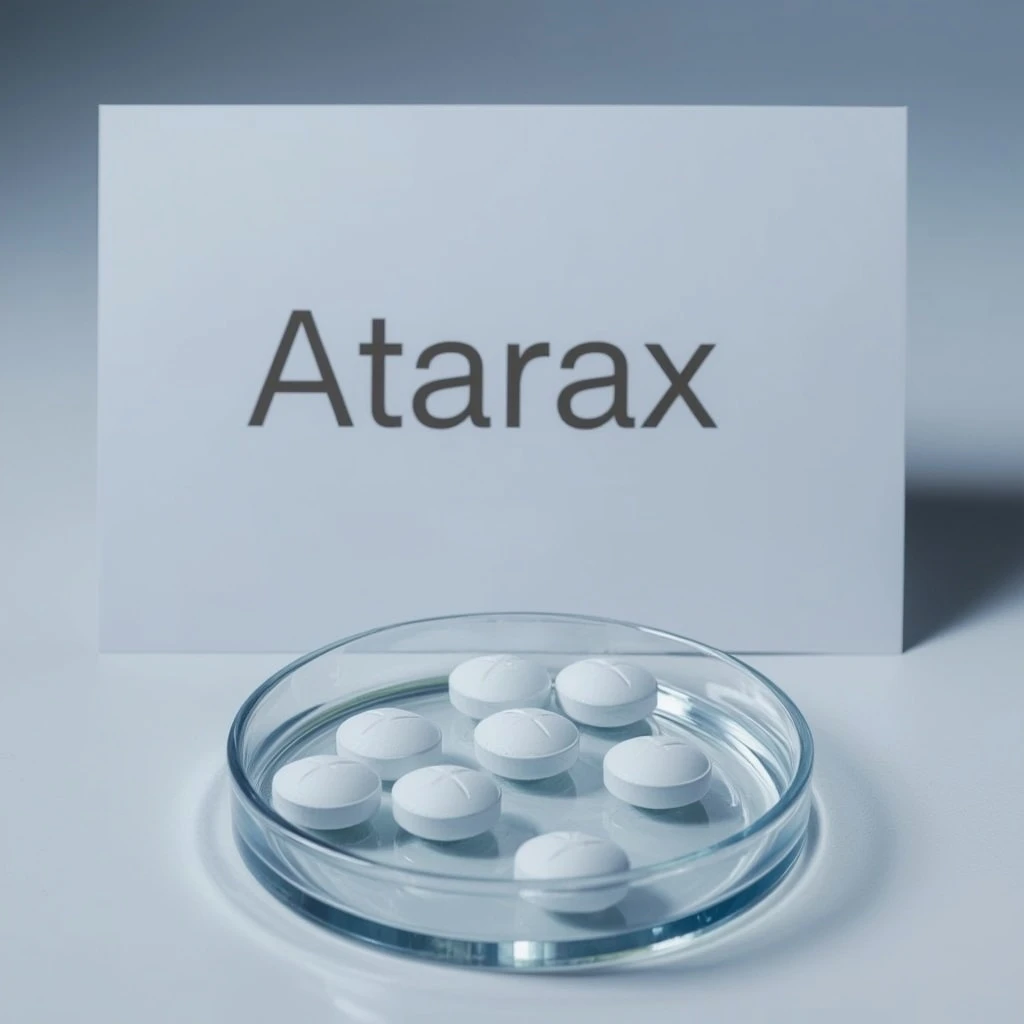
Atarax is primarily used to relieve anxiety and tension in adults and children. It is often chosen when a fast‑acting, short‑term solution is needed, such as before surgery or during periods of acute stress. As an antihistamine, Atarax also helps control itching and hives caused by allergic conditions like chronic urticaria, eczema, or contact dermatitis. In some cases, healthcare providers use Atarax to assist with insomnia, especially when poor sleep is related to anxiety or itching that keeps a person awake. Because of its broad range of effects, Atarax becomes a versatile tool in managing physical and emotional symptoms.
Unlike many traditional anxiety medications, Atarax does not belong to the benzodiazepine family and is generally considered to have a lower risk of dependence when used as directed. Its calming action is linked to its ability to block histamine H1 receptors and influence certain brain centers that regulate arousal and anxiety. People experiencing restlessness, nervousness, or difficulty relaxing may find that Atarax helps them feel more settled without necessarily causing deep sedation at lower doses. Nonetheless, individual responses vary, and some may feel drowsy even at modest doses.
Atarax is also employed as an adjunct in managing conditions that become worse with stress, such as certain skin problems or irritable bowel symptoms. By reducing anxiety and tension, Atarax can indirectly improve quality of life and make other treatments more effective. Because it has anti‑emetic (anti‑nausea) and mild antispasmodic properties, it can sometimes be part of pre‑operative or post‑operative medication plans to reduce nausea and help patients feel calmer. When accessed through a structured program like Heritage Senior Center, Atarax use is better aligned with safe dosing, appropriate indications, and ongoing monitoring.
The specific Atarax dosage depends on your age, medical condition, and the reason you are taking it. For anxiety in adults, typical oral doses often range from 25 mg to 50 mg up to three or four times daily, not exceeding the maximum daily dose recommended by your healthcare provider. For itching related to allergies, lower or divided doses are commonly used, because less medicine is often needed to control histamine‑related symptoms than to manage severe anxiety. In children, the dosage is usually calculated based on body weight, and more conservative limits are applied to reduce the risk of excessive drowsiness or other adverse effects.
Atarax is usually taken by mouth with or without food. Swallow the tablets whole with a glass of water and try to take your doses at the same times each day to maintain consistent levels in your system. If Atarax is prescribed for nighttime anxiety or insomnia, your provider may suggest taking the dose 30 to 60 minutes before bedtime to allow the calming and sedative effects to develop. When the goal is to manage itching, doses may be spaced evenly throughout the day, and a higher portion may be reserved for the evening if nighttime itching is especially bothersome.
Never adjust your own Atarax dosage without professional guidance. Higher doses do not always mean better relief and can increase risks such as excessive drowsiness, confusion, or heart rhythm changes in vulnerable individuals. When obtaining Atarax through Heritage Senior Center, a clinician or pharmacist will review your health information and help determine an appropriate starting dose. They can also suggest gradual adjustments if needed, rather than making abrupt changes. Always follow the instructions printed on your label and any counseling you receive from a licensed professional affiliated with the program.
Many customers visiting our Atarax page continue exploring other commonly prescribed medications that are available through our online pharmacy. Depending on individual healthcare needs, people often compare products from different therapeutic categories while building their medication plan with their healthcare provider. Another frequently viewed product in our catalog is Prednisone. You can buy prednisone online and find additional information about this widely recognized prescription medicine.
Before starting Atarax, it is important to discuss your full medical history, including allergies, existing health conditions, and all medications or supplements you take. Atarax can cause drowsiness, blurred vision, and slowed reaction time, so caution is needed if you drive, operate machinery, or perform tasks requiring full alertness. Until you know how Atarax affects you, avoid activities where impaired concentration could be dangerous. Alcohol intensifies sedation, so combining Atarax with alcoholic beverages or other central nervous system depressants should be avoided unless clearly directed by a health professional.
Special precautions apply if you have underlying heart disease, a history of irregular heart rhythms, or risk factors for prolonged QT interval, such as low potassium or magnesium levels. Atarax has been associated, in rare cases, with changes in heart rhythm, especially at higher doses or when combined with other QT‑prolonging drugs. Older adults may be more sensitive to these effects and to general side effects like dizziness, confusion, and urinary retention. Lower starting doses and closer monitoring are commonly recommended in senior patients.
If you are pregnant, planning to become pregnant, or breastfeeding, you should speak with a healthcare provider before using Atarax. It crosses the placenta and is excreted in breast milk, so potential benefits must be weighed against theoretical risks to the fetus or infant. People with glaucoma, enlarged prostate, severe liver disease, or difficulty urinating should also use Atarax cautiously, as its anticholinergic properties could aggravate these problems. Heritage Senior Center’s structured intake process is designed to screen for many of these precautionary factors, helping to ensure that people who buy Atarax without prescription still receive informed, medically guided advice.
Atarax is contraindicated in individuals with a known hypersensitivity or allergic reaction to hydroxyzine, any of its inactive ingredients, or related antihistamines in the piperazine family. Signs of serious allergy include rash, swelling of the face or throat, severe dizziness, or difficulty breathing. If you have ever experienced such symptoms after taking Atarax or a similar medication, you should not use it again. This information should be clearly communicated when you complete any medical questionnaire through Heritage Senior Center or any other provider.
This medication is generally contraindicated or strongly discouraged in people with a history of significant heart rhythm disturbances, especially those known to cause prolonged QT interval, torsades de pointes, or sudden cardiac events. Individuals taking other drugs that strongly prolong the QT interval may also be advised against using Atarax or may require specialized supervision and heart monitoring. Severe liver impairment may limit the body’s ability to process Atarax effectively, so patients with advanced liver disease may be told not to take it or to use an alternative medication instead.
Atarax is also not recommended in early pregnancy when safer alternatives may be preferred, unless a clinician has made a clear risk‑benefit assessment. In premature infants or very young children, use is highly restricted due to a heightened sensitivity to sedative effects and potential respiratory suppression. Heritage Senior Center’s eligibility criteria are structured to screen out patients for whom Atarax is clearly contraindicated, directing them instead to standard medical care for more appropriate treatment options. Being honest and thorough when providing your health information is vital to keeping Atarax use safe and appropriate.
Like all medications, Atarax can cause side effects, although not everyone experiences them. The most common side effects are related to its sedative and anticholinergic properties. Many people notice drowsiness, dizziness, dry mouth, or mild headache, especially when first starting treatment or after dose increases. Some individuals report blurred vision, constipation, or difficulty concentrating. These effects are usually dose‑dependent and may lessen as your body adjusts. Taking Atarax at night can sometimes help minimize the impact of drowsiness on daily activities.
Less common but more serious side effects require prompt medical attention. These include rapid or irregular heartbeat, significant dizziness or fainting episodes, confusion, agitation, tremors, or signs of urinary retention such as painful, difficult, or infrequent urination. Rarely, Atarax can trigger severe allergic reactions with symptoms like swelling of the lips, tongue, or throat, intense rash, or trouble breathing. Any hint of such a reaction calls for immediate emergency care and permanent discontinuation of the medication.
Because older adults and people with multiple medical conditions may be more prone to side effects, careful dose selection and close observation are essential. When obtaining Atarax through Heritage Senior Center, you will usually receive guidance on what to watch for and when to seek medical help. You should also report any unexpected or troubling effects you notice, even if they are not listed in standard information sheets. Side effect profiles can vary from person to person, and early recognition is the key to staying safe while benefiting from Atarax’s anti‑anxiety and anti‑itching effects.
Atarax can interact with a number of other medications, which may increase side effects or alter how well each drug works. The most important interactions involve substances that depress the central nervous system, such as alcohol, opioids, benzodiazepines, certain sleep aids, muscle relaxants, and other sedating antihistamines. Combining Atarax with these products can intensify drowsiness, impair breathing, and reduce mental alertness, raising the risk of accidents and overdose. That is why you should always tell a healthcare professional about everything you take, including over‑the‑counter products and herbal remedies.
Another area of concern is medications that affect heart rhythm, particularly those associated with QT prolongation. Certain antidepressants, antipsychotics, antibiotics, and antiarrhythmic drugs can add to Atarax’s small but real potential to lengthen the QT interval. When these medications are used together, the combined effect can become clinically significant, especially in people who already have heart disease or electrolyte abnormalities. In such situations, alternatives to Atarax may be considered, or closer cardiac monitoring may be recommended.
Atarax may also have additive anticholinergic effects when taken with other drugs that dry secretions or slow gut movement, such as some bladder control medicines, tricyclic antidepressants, or Parkinson’s treatments. This combination can increase the risk of constipation, urinary retention, blurred vision, and confusion, particularly in older adults. Heritage Senior Center’s intake process is designed to collect a detailed list of your medications so that a pharmacist or clinician can screen for these interactions. Providing a complete and accurate medication list, including supplements, greatly reduces your risk of unexpected complications when you buy Atarax without prescription through their service.
If you miss a dose of Atarax, take it as soon as you remember unless it is close to the time for your next scheduled dose. In that case, skip the missed dose and return to your usual dosing schedule. Do not double up to make up for a forgotten dose, because taking extra Atarax can increase side effects like extreme drowsiness, confusion, or coordination problems without necessarily offering more relief from anxiety or itching.
People using Atarax on an as‑needed basis for acute anxiety, itching, or insomnia may not follow a strict schedule. If that is your situation, simply take the medication when your symptoms arise, following the maximum frequency recommended by your provider or outlined in your Heritage Senior Center treatment plan. For instance, you might be advised not to exceed a certain number of doses per day or per night. Sticking to these limits is essential to prevent unintentional overuse, especially when you are also taking other sedating medications.
If you regularly forget doses and find that your symptoms are poorly controlled, discuss this pattern with a healthcare professional. They may suggest adjusting your regimen, setting reminders, or considering alternative therapies that fit better with your routine. Through Heritage Senior Center, you can often access follow‑up support or counseling about how to integrate Atarax safely into your daily life. Good adherence, balanced with an understanding of how to handle missed doses, helps you get the maximum benefit from the medication with minimal risk.
An overdose of Atarax can be dangerous and requires immediate medical attention. Symptoms may include extreme drowsiness, confusion, agitation, hallucinations, tremors, seizures, very fast or irregular heartbeat, severe dizziness, or fainting. In severe cases, breathing may become slow or shallow, and loss of consciousness or coma is possible. Children are particularly vulnerable to overdose effects because even modest extra amounts can overwhelm their smaller bodies.
If you suspect that you or someone else has taken too much Atarax, call your local emergency number or poison control center right away. Do not wait for symptoms to become severe before seeking help. If possible, have the medication bottle or package available, as emergency personnel may need to know the exact strength and number of tablets taken. Do not attempt to induce vomiting unless a healthcare professional specifically instructs you to do so.
Preventing overdose begins with careful adherence to prescribed or recommended doses, secure storage, and avoiding the use of Atarax in combination with other sedating substances without professional guidance. Heritage Senior Center emphasizes clear dosing instructions and provides educational support to reduce the risk of misuse. By following these recommendations and respecting Atarax’s potential risks, you can use this medication effectively while greatly lowering the chances of a serious adverse event.
Store Atarax tablets at room temperature, typically between 68°F and 77°F (20°C to 25°C), away from excessive heat, moisture, and direct light. Do not keep the medication in the bathroom, where humidity and temperature fluctuations can reduce its stability. Always keep the tablets in their original container with the lid tightly closed, and make sure the label remains legible so you can verify the name, dosage, and expiration date.
Because Atarax can cause significant drowsiness and other side effects if taken improperly, it should be stored out of the reach of children, pets, and anyone who might accidentally or intentionally misuse it. A locked cabinet or high shelf is ideal, particularly in households where others have access to your medications. Never share Atarax with friends or family members, even if their symptoms seem similar to yours. What is safe and appropriate for one person may be harmful for another, especially if they have unrecognized health problems or medication interactions.
Check the expiration date regularly and do not use Atarax past that date, as the effectiveness may decrease and safety cannot be guaranteed. If you have leftover or expired tablets, follow local guidelines for medication disposal. Many communities offer take‑back programs or designated drop‑off locations at pharmacies. If no such service is available, your pharmacist or a Heritage Senior Center representative can advise you on safe disposal options that protect both people and the environment.
In the United States, Atarax (hydroxyzine) is classified as a prescription‑only medication. Under standard regulations, pharmacies are allowed to dispense it only when a licensed healthcare provider has issued a valid prescription. This requirement is designed to ensure that each patient is properly evaluated for conditions such as anxiety disorders, allergic reactions, heart disease, or other factors that influence whether Atarax is safe and appropriate. Traditional doctor‑patient visits, whether in‑person or via telemedicine, remain the primary route for obtaining Atarax in most settings.
However, access to timely care can be challenging for many people, especially seniors, individuals with mobility limitations, and those living in underserved areas. Heritage Senior Center addresses this gap by offering a legal and structured solution for acquiring Atarax without a conventional in‑office prescription. Instead of simply selling the medicine over the counter, the Center integrates clinician oversight into its program. When you request Atarax, you complete a detailed health questionnaire that is reviewed by a licensed medical professional or pharmacist operating within applicable U.S. laws and telehealth regulations.
This model effectively allows you to buy Atarax without prescription in the traditional sense, yet still preserves professional evaluation and accountability. If you meet safety criteria and Atarax is deemed suitable for your situation, the medication is dispensed through legitimate pharmacy channels, often with the option of home delivery. If red flags appear—such as contraindications, high‑risk drug interactions, or complex psychiatric symptoms—you may be advised to seek in‑person care instead. Heritage Senior Center’s approach blends convenience with clinical oversight, helping adults, particularly seniors, access Atarax responsibly while staying within the boundaries of U.S. prescribing and dispensing policies.
Atarax is the brand name for hydroxyzine, an antihistamine medication. It is commonly used to relieve allergy symptoms such as itching, hives, and rashes, and is also prescribed to help manage anxiety, tension, and short-term sleep problems. In some cases, doctors use Atarax before surgery to help patients relax and to control nausea and vomiting.
Atarax (hydroxyzine) works by blocking histamine H1 receptors in the body. Histamine is a chemical released during allergic reactions that causes itching, swelling, and redness. By blocking histamine, Atarax reduces these symptoms. It also has effects on certain brain receptors, which can produce calming, sedative, and anti-anxiety effects.
Yes, Atarax is often prescribed for short-term relief of anxiety and tension. It is not an antidepressant or a benzodiazepine but an antihistamine with sedative properties. It may be used when a fast-acting, non-habit-forming option is needed, or when other anxiety medications are not appropriate. It is usually part of a broader treatment plan that may include therapy and lifestyle changes.
Atarax can help some people fall asleep and stay asleep because it has sedative (calming) effects. It is sometimes prescribed off-label for short-term insomnia, especially when sleep issues are related to anxiety or itching from allergies or skin conditions. It is not generally recommended as a long-term sleep medication, and you should only use it for sleep under medical supervision.
Atarax is most commonly prescribed for allergic itching (pruritus), hives, and skin rashes; short-term management of anxiety and tension; preoperative sedation (to help relax before surgery); and nausea or vomiting in certain situations. It may also be used off-label for sleep disturbances or itching from conditions like eczema or contact dermatitis.
Atarax is usually absorbed fairly quickly. Most people begin to feel its effects within 15 to 60 minutes after taking a dose. Peak effects often occur around 2 hours after ingestion. The timing can vary depending on your age, metabolism, other medications, and whether you took it with food.
The effects of Atarax typically last 4 to 6 hours, though some people may feel drowsy for longer. In certain individuals, especially older adults or those with liver problems, the sedative effects can be more prolonged. Because of this, doctors often recommend taking it in the evening if sedation is desired, or adjusting the dose to avoid excessive daytime drowsiness.
Common side effects of Atarax include drowsiness, dry mouth, dizziness, headache, blurred vision, constipation, and sometimes difficulty urinating. Because of its sedating effect, some people may feel sluggish, have slower reaction times, or feel mentally foggy. These effects often lessen over time, but if they are severe or persistent, you should talk to your healthcare provider.
Serious side effects are less common but can occur. These may include confusion, severe dizziness, fainting, irregular heartbeat, palpitations, severe allergic reaction (rash, swelling of the face or throat, trouble breathing), seizures, or difficulty urinating. Atarax has been associated with a risk of QT interval prolongation (a heart rhythm change) in some people, especially at higher doses or in those with existing heart problems. If you experience chest pain, fainting, or a racing or irregular heartbeat, seek urgent medical attention.
Atarax is not considered addictive or habit-forming in the way that benzodiazepines or certain sleep medications can be. It does not cause craving or classic withdrawal symptoms for most people. However, as with any medicine that affects the brain, it should be used only as directed. Do not increase your dose or duration of use without your doctor’s guidance.
Atarax should generally be avoided by people who are allergic to hydroxyzine or related drugs (such as cetirizine or levocetirizine), those with certain heart rhythm problems (like known QT prolongation), and people who are taking other medications that significantly prolong the QT interval unless closely monitored. Caution is required in older adults, people with glaucoma, enlarged prostate, severe liver or kidney disease, asthma, or breathing problems. Always tell your doctor about your full medical history so they can decide if Atarax is safe for you.
Atarax is usually not recommended during early pregnancy unless the potential benefits clearly outweigh the risks. It crosses the placenta, and there have been concerns from animal studies about fetal effects. During breastfeeding, Atarax can pass into breast milk and may cause drowsiness or irritability in the infant, so it is generally avoided or used with caution. Pregnant or breastfeeding women should discuss safer alternatives with their healthcare provider before using Atarax.
It is best to avoid alcohol while taking Atarax. Both Atarax and alcohol depress the central nervous system. When combined, they can significantly increase drowsiness, impair coordination, slow reaction times, and raise the risk of accidents or falls. In some cases, the combination can worsen confusion or breathing problems, especially in older adults or those with underlying health issues.
Atarax is typically intended for short-term or intermittent use, not as a long-term daily medication, especially at higher doses. Prolonged use can increase the risk of side effects, such as cognitive slowing, daytime sedation, weight gain, and potential heart rhythm changes. If you find you need Atarax regularly over a long period, speak with your doctor about reviewing your diagnosis, considering other treatments, or tapering the medication if appropriate.
The typical adult dose depends on the condition being treated. For anxiety, doctors may start with 25 mg three to four times daily, then adjust. For itching or allergies, doses of 25 mg three to four times daily are common, sometimes lower. For sleep or pre-surgery sedation, a single dose of 25–100 mg may be given, depending on the situation and patient characteristics. Always follow your specific prescription, as your doctor may tailor the dose to your age, weight, and other health conditions.
Atarax can be used in children for certain indications such as allergic itching or preoperative sedation, but the dose must be carefully adjusted by weight and age. Young children are more sensitive to side effects like drowsiness, agitation, or paradoxical excitement (becoming more restless instead of sleepy). Because of this, Atarax should only be used in children under direct guidance from a pediatrician, and parents should watch closely for changes in behavior or breathing.
If you miss a scheduled dose of Atarax and you are taking it regularly, take the missed dose as soon as you remember, unless it is almost time for your next dose. If it is close to the next dose, skip the missed one and return to your normal dosing schedule. Do not double up on doses to make up for a missed tablet. If you are only using Atarax as needed, you can simply wait until you need the next dose.
Atarax can cause significant drowsiness and slow reaction times, especially when you first start it or when the dose is increased. Until you know how it affects you, do not drive, operate heavy machinery, or perform tasks that require full alertness. If you continue to feel sedated or foggy after several days of use, discuss dose adjustment or alternatives with your healthcare provider.
Yes, Atarax can interact with other medications. It can increase drowsiness when combined with other sedating drugs such as benzodiazepines, opioids, some antidepressants, antipsychotics, or sleep aids. It can also contribute to heart rhythm changes when taken with certain antibiotics, antifungals, antipsychotics, or other medications that prolong the QT interval. Always give your doctor and pharmacist a complete list of prescription drugs, over-the-counter medicines, and supplements before starting Atarax.
Atarax is a first-generation antihistamine that readily crosses the blood–brain barrier, causing more sedation and central nervous system effects. Cetirizine and loratadine are second-generation antihistamines that are designed to be less sedating and better suited for long-term daily use in allergies. Atarax is often chosen when a calming or sedative effect is desired, such as in anxiety or severe itching that interferes with sleep.
Atarax and Benadryl are both first-generation antihistamines with sedating effects. Benadryl is widely used for acute allergy reactions, motion sickness, and short-term sleep aid. Atarax tends to have a somewhat longer and more consistent anxiolytic (anti-anxiety) effect and is more commonly prescribed for chronic itching and anxiety. Some individuals find Atarax less likely to cause paradoxical agitation than Benadryl, but experiences vary. Both can cause drowsiness, dry mouth, and other anticholinergic side effects.
Atarax (hydroxyzine hydrochloride) and Vistaril (hydroxyzine pamoate) contain the same active drug, hydroxyzine, just in different salt forms. Their overall potency and clinical effects are considered comparable when equivalent doses are used. In practice, doctors choose between them based on availability, patient response, and intended use (for instance, some prefer Vistaril capsules for anxiety and Atarax tablets or syrup for allergies or itching).
Zyrtec (cetirizine) is a second-generation antihistamine that causes less drowsiness for most people and is suitable for regular, long-term allergy control. Atarax is usually more sedating and is not ideal for daily daytime use if you need to remain alert. Atarax may be chosen for severe, itchy rashes or nighttime flare-ups where sedation is useful. For routine hay fever or seasonal allergies, many clinicians prefer Zyrtec or similar non-drowsy antihistamines.
Claritin (loratadine) is another second-generation antihistamine that is minimally sedating and often used for chronic allergy symptoms. Compared to Atarax, Claritin is less likely to cause drowsiness, dry mouth, or cognitive slowing. Atarax has stronger sedative and anti-anxiety properties, making it more suitable when itching, hives, or anxiety are severe and interfere with sleep. For everyday allergy control in people who need to stay alert, Claritin is typically preferred over Atarax.
Both Atarax and Vistaril contain hydroxyzine and have similar anti-anxiety properties. Some prescribers favor Vistaril (hydroxyzine pamoate) for anxiety and Atarax (hydroxyzine hydrochloride) more for allergies or itching, but this distinction is largely based on tradition and formulation rather than strong evidence. Effectiveness and side effects are usually similar. The “better” option is the one that you tolerate well, find effective, and can access easily, as determined with your healthcare provider.
Atarax is an antihistamine with sedative properties, acting quickly and providing short-term relief of anxiety and tension. Buspirone is an anti-anxiety medication that works on serotonin and dopamine receptors and is designed for longer-term management of generalized anxiety disorder. Buspirone is generally non-sedating and not habit-forming, but it can take several weeks to become fully effective. Atarax may be used for rapid, short-term relief, while buspirone is more of a maintenance therapy for ongoing anxiety.
Atarax and benzodiazepines both reduce anxiety but work differently. Benzodiazepines act directly on GABA receptors in the brain and are powerful sedatives, muscle relaxants, and anticonvulsants, but they carry a significant risk of dependence, tolerance, and withdrawal. Atarax is less potent but is not considered addictive in the same way. Doctors might choose Atarax when they want to avoid benzodiazepines, especially for short-term anxiety or in people with substance use risk. However, benzodiazepines may be more effective for severe, acute anxiety or panic under careful supervision.
Atarax provides relatively quick, short-term relief of anxiety symptoms but does not treat the underlying condition long term. SSRIs (selective serotonin reuptake inhibitors), such as sertraline or escitalopram, are antidepressants often used as first-line, long-term treatments for anxiety disorders. SSRIs may take several weeks to show benefits but can reduce the overall frequency and severity of anxiety episodes over time. Atarax might be used as a bridge or add-on for temporary relief while SSRIs are starting to work.
For chronic hives (chronic urticaria), second-generation, non-sedating antihistamines like cetirizine, loratadine, or fexofenadine are usually preferred for daily use because they cause less drowsiness. Atarax can be very effective at controlling severe itching and may be added at night when symptoms are intense or disrupt sleep. However, due to sedative and anticholinergic side effects, Atarax alone is rarely the first-line long-term option for chronic hives.
Atarax is an antihistamine that can help with short-term sleep problems and anxiety, primarily through sedation. Mirtazapine is an antidepressant with strong antihistamine properties at lower doses, often used off-label for insomnia and anxiety, especially when depression or poor appetite are present. Mirtazapine may improve sleep architecture and mood over time but is associated with increased appetite and possible weight gain. Atarax tends to act more quickly and is used intermittently, while mirtazapine is taken daily as part of a longer-term treatment strategy.
Both Atarax and Benadryl are first-generation antihistamines and are on the list of medications generally considered potentially inappropriate for many older adults due to risks of confusion, falls, urinary retention, and heart rhythm problems. Neither is clearly “safer” for seniors, and both should be used only with caution and close monitoring, if at all. In older adults, non-sedating antihistamines or non-drug strategies are often preferred when possible.
Atarax can sometimes be combined with a non-sedating antihistamine under medical supervision for difficult-to-control itching or hives, using one for daytime (such as cetirizine) and Atarax for nighttime relief. However, combining multiple antihistamines increases the risk of side effects like drowsiness, dry mouth, and heart rhythm changes. You should never mix antihistamines on your own without discussing the plan with your healthcare provider.
Atarax is not a dedicated sleep medication, but its sedative effect can improve sleep in people whose insomnia is linked to anxiety or itching. Prescription sleep aids such as zolpidem or eszopiclone directly target sleep onset or maintenance but may carry risks of complex sleep behaviors, tolerance, or dependence. Atarax may be a reasonable short-term option when a mild, non-addictive sedative is preferred, but it is not ideal for chronic insomnia. The best choice depends on the underlying cause of your sleep problems, your medical history, and your doctor’s judgment.