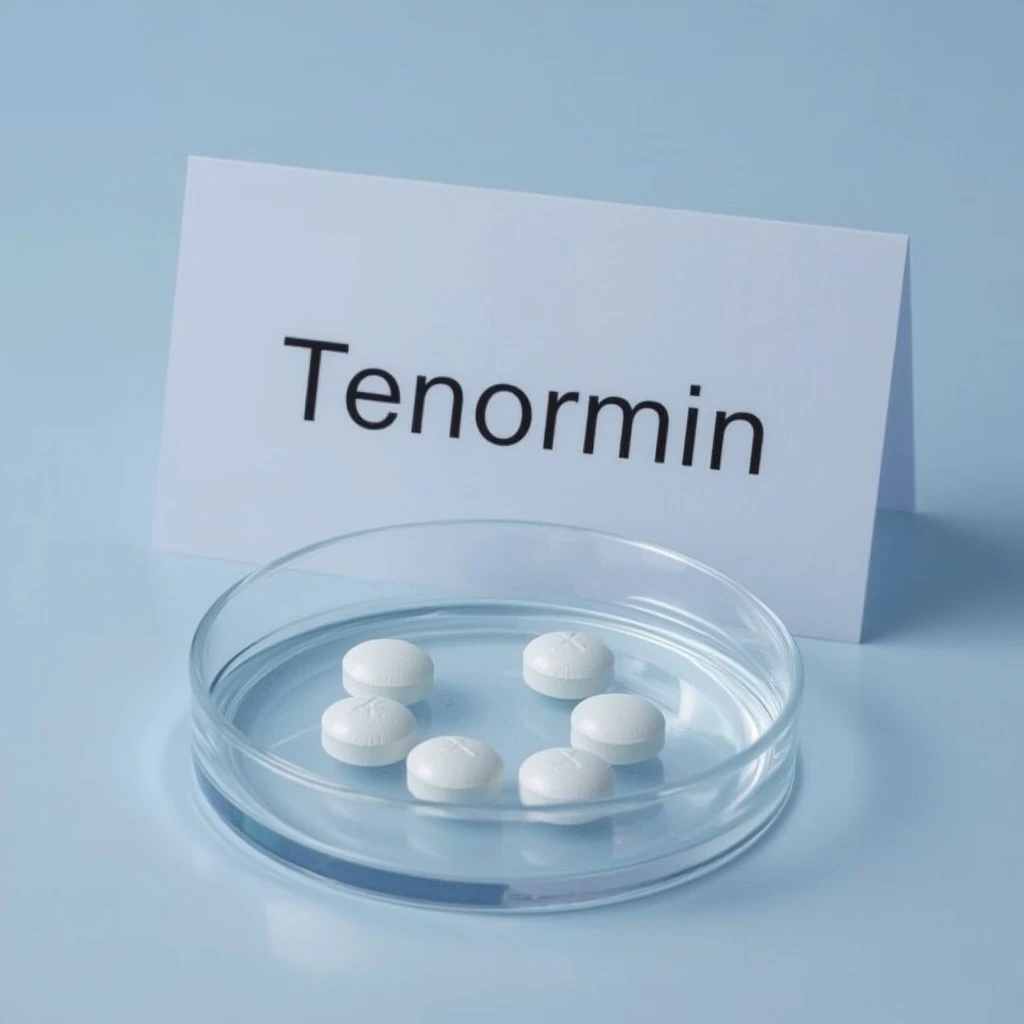
Tenormin is the brand name for atenolol, a cardioselective beta-blocker mainly used to manage cardiovascular conditions. Its primary indication is the treatment of high blood pressure (hypertension), a chronic condition that increases the risk of heart attack, stroke, and kidney disease when left uncontrolled. By lowering blood pressure, Tenormin helps protect blood vessels and vital organs from long-term damage. It is often part of a broader blood pressure strategy that includes diet changes, exercise, and sometimes other medications such as diuretics or ACE inhibitors.
Tenormin is also frequently prescribed for chronic stable angina, a type of chest pain that occurs when the heart muscle does not get enough oxygen during physical activity or emotional stress. By slowing the heart rate and decreasing contraction strength, Tenormin reduces the heart’s oxygen demand, helping to prevent or lessen episodes of chest pain. Some people taking Tenormin for angina notice they can exercise or perform daily activities with fewer symptoms and less discomfort.
Another common use of Tenormin is in the management of certain arrhythmias, or abnormal heart rhythms, particularly those originating in the upper chambers of the heart (supraventricular arrhythmias). By stabilizing the heart’s electrical activity and controlling the rate at which signals pass through the heart, Tenormin can help maintain a more regular, steady heartbeat. In some cases, it may be used along with other antiarrhythmic drugs or after procedures such as cardioversion.
Tenormin is also used after a heart attack (myocardial infarction) to reduce the risk of additional cardiac events and to improve survival. Administered soon after the acute event and continued long term, Tenormin reduces strain on the recovering heart muscle. For many patients, ongoing beta-blocker therapy becomes a foundation of secondary prevention, alongside cholesterol-lowering medications, lifestyle changes, and regular monitoring.
Although less common, Tenormin may be prescribed off-label for conditions such as migraine prevention, certain types of tremor, and physical symptoms of anxiety (like rapid heartbeat and palpitations), when deemed appropriate by a clinician. In all cases, Tenormin is most effective when taken as part of a comprehensive treatment plan that includes regular medical follow-up, self-monitoring of symptoms, and attention to overall heart-healthy habits.
Tenormin dosage is individualized, based on the condition being treated, response to therapy, age, kidney function, and coexisting medical problems. For high blood pressure in adults, a typical starting dose is often 25–50 mg taken once daily, with gradual adjustments as needed. Many patients stabilize on a dosage between 50 mg and 100 mg daily. Some may require lower doses if they are older, frail, or have reduced kidney function, as atenolol is cleared largely through the kidneys.
For angina, Tenormin is usually started at 50 mg once daily, then increased to 100 mg daily if needed and well tolerated. The goal is to reduce the frequency and severity of chest pain without causing intolerable side effects such as excessive fatigue or very slow heart rate. In post–heart attack care and certain arrhythmias, similar doses are used, though cardiologists may fine-tune the exact regimen based on heart rate, blood pressure readings, and electrocardiogram (ECG) findings.
Visitors researching cardiovascular medications often continue exploring other trusted prescription products while browsing our online pharmacy. Having access to a comprehensive selection of medicines can make future healthcare planning more convenient and allows customers to become familiar with a wider range of available treatments. Zofran remains one of the most popular products in our catalog and is regularly viewed by returning customers looking for dependable pharmacy services. If you would like to learn more about another widely requested medication, you can buy zofran in our store and review its dedicated product page.
Tenormin tablets are typically taken by mouth once or sometimes twice a day, with or without food. Taking the medication at the same time each day helps maintain steady levels in the body and makes it easier to remember. Swallow the tablet with a glass of water; do not crush or chew unless your specific product information or pharmacist indicates it is safe to do so. If you have trouble swallowing tablets, ask a pharmacist about practical options rather than altering the tablet on your own.
Because Tenormin can slow the heart rate and lower blood pressure, it is important to monitor these parameters regularly, especially at the start of treatment and after any dose change. Many patients use a home blood pressure monitor and keep a log of readings to share with their healthcare professional. If your heart rate becomes very slow, or if your blood pressure drops too low, your dose may need to be reduced or your therapy adjusted. Do not increase or decrease your dose on your own without medical guidance.
Tenormin is designed for long-term use in most of its indications. It should not be stopped abruptly, particularly in people with heart disease or angina, because sudden withdrawal can lead to rebound increases in heart rate and blood pressure, and may trigger chest pain or even a heart attack. If Tenormin must be discontinued, your prescriber will usually recommend gradually tapering the dose over days to weeks. Always follow the exact directions provided on your medication label and by your healthcare professional, and contact them if you are unsure how to take your dose correctly.
Before starting Tenormin, it is important to discuss your full medical history with a healthcare provider, including any heart problems, lung disease, diabetes, kidney issues, thyroid disorders, circulation problems, or allergies to medications. Because Tenormin is a beta-blocker that affects the cardiovascular system, certain conditions require extra caution. For instance, people with existing low heart rate, heart conduction abnormalities, or heart failure need close monitoring and careful dose selection.
If you have asthma, chronic bronchitis, or chronic obstructive pulmonary disease (COPD), Tenormin may sometimes worsen breathing problems, even though it is a more heart-selective beta-blocker compared to some others. Symptoms like wheezing, shortness of breath, or a tight feeling in the chest should be reported immediately. In some patients with significant lung disease, a different class of blood pressure or heart medication may be safer, but this decision must be individualized.
People with diabetes should be aware that Tenormin can mask some of the typical warning symptoms of low blood sugar (hypoglycemia), such as rapid heartbeat and trembling. While sweating and dizziness may still occur, the blunted heart-rate response can delay recognition of hypoglycemia. If you are on insulin or other glucose-lowering drugs, regular blood sugar monitoring becomes especially important when taking Tenormin, and you should learn alternative warning signs of low blood sugar.
Tenormin can also affect circulation to the hands and feet, occasionally worsening symptoms of peripheral vascular disease or Raynaud’s phenomenon, such as cold, pale, or bluish fingers and toes. Additionally, since atenolol is cleared by the kidneys, individuals with kidney impairment may require lower doses and more frequent monitoring. Older adults may be more sensitive to the effects of beta-blockers in general and should start at the lowest effective dose.
Before surgery, including dental or outpatient procedures, inform the surgeon or anesthesiologist that you take Tenormin. Sudden changes in heart rate and blood pressure during anesthesia can be influenced by beta-blockers, and your medical team may need to adjust medications around the time of the procedure. Alcohol and other medications that lower blood pressure can have additive effects with Tenormin, raising the risk of dizziness or fainting. Use caution when standing up quickly, especially in the first days of treatment, and avoid driving or operating heavy machinery until you know how Tenormin affects you.
Tenormin is not appropriate for everyone. Certain medical conditions are considered contraindications, meaning Tenormin should generally not be used because the risks outweigh potential benefits. One major contraindication is second- or third-degree heart block, a type of electrical conduction problem in which signals from the upper chambers of the heart do not transmit normally to the lower chambers. In these patients, Tenormin could further slow conduction and lead to dangerously slow heart rhythms unless a pacemaker is present.
Tenormin is also contraindicated in patients with significant sinus bradycardia, which is an abnormally slow natural heart rate, and in those with cardiogenic shock, a state where the heart cannot pump enough blood to meet the body’s needs. In acute decompensated heart failure with severe symptoms, starting or continuing a beta-blocker like Tenormin may worsen the condition until the patient is stabilized. Once heart failure is controlled and the patient is clinically stable, some beta-blockers can be reintroduced carefully under specialist supervision.
Individuals with a known allergy or hypersensitivity to atenolol or any of the ingredients in the Tenormin formulation should not take the medication. Allergic reactions can range from skin rash and itching to more serious symptoms like swelling of the face, lips, or tongue and difficulty breathing. Anyone who has experienced such reactions with Tenormin or other atenolol products should avoid re-exposure and seek alternative therapies recommended by a healthcare professional.
Severe peripheral arterial circulatory disorders can also be a reason to avoid Tenormin, as further reduction in blood flow to extremities may worsen symptoms like pain when walking, leg cramping, or non-healing ulcers. Certain forms of untreated pheochromocytoma, a rare tumor of the adrenal gland causing severe high blood pressure, are another contraindication unless alpha-blocker therapy has been initiated first. In this scenario, using a beta-blocker alone could lead to dangerous increases in blood pressure.
Pregnancy and breastfeeding require special evaluation. Tenormin crosses the placenta and can affect the fetus, sometimes leading to growth restriction or changes in newborn heart rate and blood sugar. It is also excreted into breast milk. Because of these potential concerns, Tenormin is usually avoided or used only when clearly needed during pregnancy and lactation, with close monitoring and discussion of risks and benefits. A cardiologist or obstetrician can help determine the safest option for blood pressure and heart-rate control in these circumstances.
Like all medications, Tenormin can cause side effects, although not everyone experiences them. The most commonly reported effects are generally related to its action of slowing the heart and lowering blood pressure. These include fatigue, tiredness, dizziness, and a feeling of low energy, particularly when you first start treatment or after a dose increase. Some people notice their exercise tolerance decreases initially, as the heart is deliberately prevented from beating as fast during exertion.
Other relatively common side effects can include cold hands and feet, mild shortness of breath on exertion, and slower than usual heart rate. In some individuals, Tenormin may contribute to sleep disturbances, vivid dreams, or mood changes, such as mild depression or decreased motivation. While many of these symptoms improve as the body adjusts, persistent or severe side effects should be discussed with a healthcare provider, who may adjust the dose or consider an alternative medication.
Less common but more serious side effects require prompt medical attention. These include very slow heart rate (severe bradycardia), fainting spells, new or worsening shortness of breath, swelling of the ankles or feet, weight gain over a short period suggesting fluid retention, or chest pain that worsens rather than improves. Sudden onset of wheezing, trouble breathing, or tightness in the chest can signal a significant reaction in people with underlying lung disease and should not be ignored.
Allergic reactions to Tenormin are uncommon but possible. Symptoms may range from skin rash, hives, or itching to more serious signs such as swelling of the face, tongue, or throat, severe dizziness, or difficulty breathing. These reactions can be medical emergencies and warrant immediate evaluation. Additionally, because Tenormin may influence blood sugar and cholesterol levels, long-term users—especially those with diabetes or metabolic concerns—benefit from periodic blood tests as recommended by their clinician.
If you experience side effects, do not stop Tenormin abruptly unless you are advised to do so in an emergency situation. Instead, contact a healthcare professional to determine whether symptoms are likely related to the medication and to discuss potential adjustments. Many patients tolerate Tenormin well with appropriate dosing and monitoring, and proactive communication about side effects helps ensure the safest, most effective use of this beta-blocker.
Tenormin can interact with other medications, supplements, and even certain over-the-counter products, potentially altering its effects or increasing the risk of side effects. One important interaction involves other drugs that slow the heart or affect heart conduction, such as some calcium channel blockers (for example, verapamil or diltiazem), digoxin, and certain antiarrhythmics. When combined with Tenormin, these medications can significantly lower heart rate or impair electrical signaling, sometimes leading to heart block or fainting.
Medications that lower blood pressure, including diuretics, ACE inhibitors, angiotensin receptor blockers (ARBs), and alpha-blockers, can have additive effects with Tenormin. While such combinations are often used deliberately in the treatment of hypertension and heart disease, they require careful dose adjustments and monitoring to avoid excessive drops in blood pressure. Symptoms like lightheadedness, blurred vision, or near-fainting when standing should be reported and may indicate a need for dose modification.
Certain antidepressants, antipsychotics, and medications for neurological conditions may also influence how Tenormin works or is tolerated. For example, some drugs can further lower blood pressure, while others may affect heart rhythm. Nonsteroidal anti-inflammatory drugs (NSAIDs) used for pain relief, such as ibuprofen or naproxen, can occasionally reduce the blood pressure–lowering effect of Tenormin when taken regularly at high doses. If you rely on NSAIDs frequently, discuss this with a prescriber to ensure your blood pressure remains under control.
People with diabetes should note that insulin and oral antidiabetic medications can interact indirectly with Tenormin. Because Tenormin can mask typical signs of low blood sugar, close monitoring is crucial, and dose adjustments of diabetes medications may be necessary. Some decongestants and cold remedies, particularly those containing stimulants like pseudoephedrine, can increase blood pressure and heart rate, working against the effect of Tenormin and potentially causing cardiovascular stress.
To minimize risk, always provide a complete list of your current medications—including prescription drugs, over-the-counter products, vitamins, and herbal supplements—to any healthcare professional evaluating you for Tenormin. Do not start, stop, or change the dose of any medicine while using Tenormin without consulting a clinician or pharmacist. This coordinated approach helps ensure that Tenormin remains both safe and effective as part of your overall treatment plan.
If you forget to take a scheduled dose of Tenormin, take it as soon as you remember, unless it is nearly time for your next dose. In that case, skip the missed dose and resume your regular dosing schedule. Do not double up or take extra tablets to make up for a missed dose, as this can increase the risk of excessive slowing of the heart rate and low blood pressure, leading to dizziness, weakness, or fainting.
Consistency is important with Tenormin, as irregular dosing can reduce its protective effect on the heart and blood vessels. Using tools such as pill organizers, reminders on your phone, or linking your dose to a daily routine like brushing your teeth can help you stay on track. If you find that you are missing doses frequently, speak with a healthcare professional about strategies to simplify your regimen or whether a different medication might be easier for you to manage.
Taking more Tenormin than prescribed can be dangerous and may constitute a medical emergency. Symptoms of overdose often include a very slow heart rate, severe dizziness or fainting, extremely low blood pressure, difficulty breathing, bluish coloration of lips or fingertips, confusion, or even loss of consciousness. In severe cases, overdose can lead to heart failure, shock, or cardiac arrest, especially in individuals with underlying heart disease or in combination with other heart-slowing medications.
If an overdose of Tenormin is suspected—whether accidental or intentional—seek emergency medical help immediately. Do not wait for symptoms to worsen. If possible, bring the medication bottle or a list of all medicines taken, including any alcohol or other substances, to emergency responders or the hospital. Treatment may involve supportive care, medications to raise heart rate and blood pressure, intravenous fluids, and continuous heart monitoring until the effects of excess atenolol diminish.
Tenormin tablets should be stored at room temperature, generally between 68°F and 77°F (20°C to 25°C), unless the package insert specifies otherwise. Keep the medication in its original, tightly closed container to protect it from moisture, light, and contamination. Avoid storing Tenormin in bathrooms or other damp environments, as humidity can degrade tablets over time and reduce their effectiveness.
Always store Tenormin and other medications out of the reach and sight of children and pets, preferably in a locked cabinet or designated safe area. Do not use Tenormin after the expiration date printed on the package, and do not keep leftover tablets “just in case” without a clear plan from a healthcare provider. When you no longer need Tenormin or if it has expired, follow local guidelines for safe disposal or consult a pharmacist about take-back programs rather than throwing tablets directly into household trash or flushing them.
In the United States, Tenormin is classified as a prescription-only medication due to its potent effects on the cardiovascular system and the need for medical oversight. Traditionally, obtaining Tenormin requires an in-person visit with a licensed healthcare provider, who evaluates your medical history, performs an exam, and writes a prescription that can be filled at a pharmacy. This process helps ensure that Tenormin is used appropriately, in the right dose, and with necessary monitoring for side effects and interactions.
However, many patients find conventional access pathways inconvenient, especially older adults, people with mobility challenges, or those living far from clinics. Heritage Senior Center offers a legal and structured solution for acquiring Tenormin without a formal, pre-existing prescription, using a regulated model that incorporates medical review. Instead of bypassing safety steps, the Center integrates telehealth-style assessments and questionnaire-based evaluations conducted by qualified professionals who determine whether Tenormin is suitable for you.
Through Heritage Senior Center, adults can buy Tenormin without prescription in the traditional sense, yet still benefit from appropriate safeguards. Patients provide information on their medical history, current medications, allergies, blood pressure readings, and relevant tests when available. A licensed clinician then reviews this information, may request clarification, and authorizes Tenormin only when it is medically justified and safe. This approach helps maintain compliance with U.S. regulations while improving access and convenience.
The service is designed with seniors and chronically ill adults in mind, offering discreet ordering, guidance on correct Tenormin dosage, and follow-up recommendations such as routine blood pressure monitoring and scheduled medical checkups. Heritage Senior Center emphasizes that Tenormin is not a casual or over-the-counter product and should never be used without careful consideration of risks and benefits. Educational materials help users understand indications, precautions, potential side effects, and what to do if problems arise.
By combining modern remote-care tools with a clear respect for legal requirements, Heritage Senior Center provides a responsible pathway to obtain Tenormin in the U.S. At the same time, individuals are strongly encouraged to maintain a regular relationship with their primary healthcare provider for ongoing management of hypertension, angina, and other heart conditions. Using Tenormin within such a coordinated care framework maximizes its protective benefits and supports long-term cardiovascular health.
Tenormin (atenolol) is a prescription beta-blocker used primarily to treat high blood pressure, angina (chest pain), and to improve survival after a heart attack. It works by slowing the heart rate and reducing the force of heart contractions, which lowers blood pressure and decreases the heart’s workload.
The usual adult oral dose for high blood pressure is 25–50 mg once daily, which may be increased up to 100 mg daily based on response and tolerance. For angina, doses typically range from 50–100 mg once daily. After a heart attack, dosing often starts in the hospital and is adjusted individually. Always follow your cardiologist’s or prescriber’s exact instructions.
Common side effects include fatigue, dizziness, slow heart rate, cold hands or feet, and mild nausea. Some people notice sleep disturbances or vivid dreams. Serious side effects can include very slow heart rate, shortness of breath, fainting, worsening chest pain, or severe allergic reaction. Any severe or unexpected symptoms should be reported to a doctor immediately.
Tenormin starts to lower heart rate and blood pressure within a few hours of the first dose, but the full blood pressure–lowering effect may take 1–2 weeks of regular use. For angina, some symptom improvement may be noticed within days, but stable control often requires consistent, long-term therapy.
Yes. Tenormin (atenolol) is a cardioselective beta-1 adrenergic receptor blocker. It primarily targets receptors in the heart, helping reduce heart rate and contractility, with less effect on beta-2 receptors in the lungs compared with some older, nonselective beta-blockers.
Tenormin should not be stopped abruptly, especially in people with coronary artery disease. Sudden discontinuation can cause rebound high blood pressure, increased heart rate, and a higher risk of angina, heart attack, or serious heart rhythm problems. It should be tapered gradually under medical supervision.
Alcohol can enhance the blood-pressure–lowering effect of Tenormin, increasing the risk of dizziness, lightheadedness, or fainting, particularly when standing up. Moderate, occasional alcohol may be acceptable for some patients, but this should be discussed with a healthcare provider, especially in people with heart disease or liver problems.
Tenormin is generally not recommended for people with severe bradycardia (very slow heart rate), certain types of heart block, cardiogenic shock, uncontrolled heart failure, or a history of severe allergic reaction to atenolol. Caution is needed in patients with asthma, COPD, diabetes, peripheral vascular disease, or severe kidney impairment.
Tenormin is usually avoided during pregnancy unless clearly needed, because it has been associated with fetal growth restriction when taken long term at higher doses. Atenolol passes into breast milk, and there is potential for slowing the baby’s heart rate or affecting blood sugar. Pregnant or breastfeeding women should discuss safer alternatives with their cardiologist or obstetrician.
Tenormin can mask some symptoms of low blood sugar (like rapid heartbeat and tremors), making it harder for people with diabetes to recognize hypoglycemia. It may also slightly affect blood sugar control in some patients. Diabetics taking Tenormin should monitor glucose closely and work with their healthcare provider to adjust medications as needed.
Because Tenormin is relatively cardioselective, it may be safer than nonselective beta-blockers in some patients with mild asthma or COPD, but it can still worsen bronchospasm and breathing in susceptible individuals. People with reactive airway disease should only take Tenormin under close medical supervision, and any new or worsening shortness of breath should be reported immediately.
If a dose of Tenormin is missed, it should be taken as soon as remembered unless it is almost time for the next dose. In that case, skip the missed dose and resume the regular schedule. Do not double doses to make up for a missed tablet, as this can cause excessive slowing of the heart rate or low blood pressure.
Tenormin can limit the maximum heart rate response during exercise, so your heart rate may not rise as much as expected during physical activity. This can make heart-rate–based fitness tracking less reliable. Most patients can exercise safely on Tenormin, and in many cases exercise is encouraged, but any new chest pain, unusual shortness of breath, or dizziness with exertion should prompt medical review.
Atenolol is primarily eliminated by the kidneys. In people with reduced kidney function, Tenormin can accumulate, increasing the risk of side effects such as bradycardia or excessive blood pressure lowering. Doses often need to be reduced or given less frequently in patients with significant renal impairment, according to a doctor’s guidance.
Mild weight gain can occur in some people on beta-blockers, possibly related to decreased exercise capacity, changes in metabolism, or fluid retention. Tenormin tends to have a smaller effect than some older beta-blockers, but any unexplained or rapid weight change should be discussed with a healthcare provider to rule out heart failure or other causes.
Tenormin, like other beta-blockers, can contribute to sexual side effects in some people, including reduced libido and erectile dysfunction in men. Not everyone experiences these issues, and they may improve with dose adjustment or a switch to a different medication. Patients should feel comfortable discussing these side effects with their doctor.
Tenormin (atenolol) and metoprolol are both cardioselective beta-blockers used for high blood pressure, angina, heart failure (for certain forms of metoprolol), and post–heart attack care. Metoprolol has more evidence for use in heart failure and is available in an extended-release form that provides more stable blood levels. Atenolol is more dependent on kidney function for clearance and tends to have a longer duration of action. Choice depends on the condition being treated, patient comorbidities, and physician preference.
Tenormin is cardioselective, mainly targeting beta-1 receptors in the heart, whereas propranolol is nonselective and blocks both beta-1 and beta-2 receptors. Propranolol is often used for migraine prevention, essential tremor, performance anxiety, and some thyroid-related conditions, in addition to cardiovascular uses. Tenormin is usually preferred when lung disease is a concern, as propranolol is more likely to worsen asthma or COPD.
Both Tenormin (atenolol) and bisoprolol are beta-1 selective blockers used for hypertension and angina. Bisoprolol has strong and sustained beta-1 selectivity and robust evidence for improving outcomes in chronic heart failure when used with other standard therapies. Atenolol is less commonly chosen for heart failure. Bisoprolol is often favored when precise heart-rate control and long-term outcome data are priorities.
Tenormin is a beta-1 selective blocker, while carvedilol blocks beta-1, beta-2, and alpha-1 receptors. Carvedilol lowers blood pressure partly by vasodilation (through alpha-1 blockade) and has strong evidence for improving survival in heart failure. Atenolol may be chosen mainly for blood pressure or angina when heart failure is not a dominant issue, whereas carvedilol is frequently preferred in patients with reduced ejection fraction heart failure.
Both are beta-1 selective blockers, but nebivolol also promotes nitric oxide–mediated vasodilation, which can help relax blood vessels and may result in fewer metabolic side effects for some patients. Nebivolol may have a more neutral or favorable impact on lipid and glucose metabolism and can sometimes be better tolerated regarding fatigue and sexual function, though it is often more expensive than atenolol.
Tenormin blocks mainly beta-1 receptors, while labetalol blocks alpha-1 as well as beta receptors, making labetalol effective for more rapid blood pressure reduction in hypertensive emergencies and commonly used in pregnancy-related hypertension. Tenormin is generally prescribed for chronic management of hypertension and angina, not acute blood pressure crises.
Tenormin is cardioselective and renally excreted, while nadolol is a long-acting, nonselective beta-blocker that also blocks beta-2 receptors. Nadolol’s long half-life allows once-daily dosing similar to atenolol, but it may be more problematic in asthma or COPD. Nadolol is sometimes preferred for certain arrhythmias or portal hypertension, whereas atenolol is more focused on standard cardiovascular indications.
Tenormin is primarily a beta-1 blocker used for blood pressure and angina. Sotalol is both a nonselective beta-blocker and a class III antiarrhythmic drug, used mainly for specific heart rhythm disorders such as atrial fibrillation and ventricular arrhythmias. Sotalol requires careful ECG and kidney-function monitoring because it can prolong the QT interval and cause serious arrhythmias, a risk that is not typical of atenolol.
Tenormin is an oral, longer-acting beta-1 selective blocker for chronic use. Esmolol is an ultra–short-acting intravenous beta-1 blocker used in hospital settings for acute heart rate or blood pressure control, such as during surgery or in acute arrhythmias. Esmolol’s effects wear off within minutes after stopping the infusion, while atenolol works over many hours.
Both are beta-1 selective blockers, but acebutolol has intrinsic sympathomimetic activity (ISA), meaning it can partially stimulate beta receptors while blocking them, which may result in less resting bradycardia and less impact on lipid metabolism. Atenolol does not have ISA and tends to lower heart rate more consistently. The clinical choice depends on the desired heart rate effect and individual tolerance.
Compared with several newer beta-blockers, Tenormin is older, inexpensive, and often effective for blood pressure and angina, but in many hypertension guidelines, beta-blockers (including atenolol) are no longer considered first-line for uncomplicated hypertension without specific cardiac indications. Other classes like ACE inhibitors, ARBs, calcium channel blockers, and thiazide diuretics are often preferred initially, with beta-blockers added when there is coronary artery disease, arrhythmia, or heart failure.
Tenormin reduces heart rate and contractility by blocking beta receptors, while calcium channel blockers (like amlodipine or diltiazem) relax blood vessels and, in some cases, also slow heart rate by affecting calcium channels in the heart. For pure blood pressure control, calcium channel blockers are often preferred, but Tenormin may be better when high heart rate, post–heart attack protection, or certain arrhythmias are present. Some patients benefit from a combination under medical supervision.