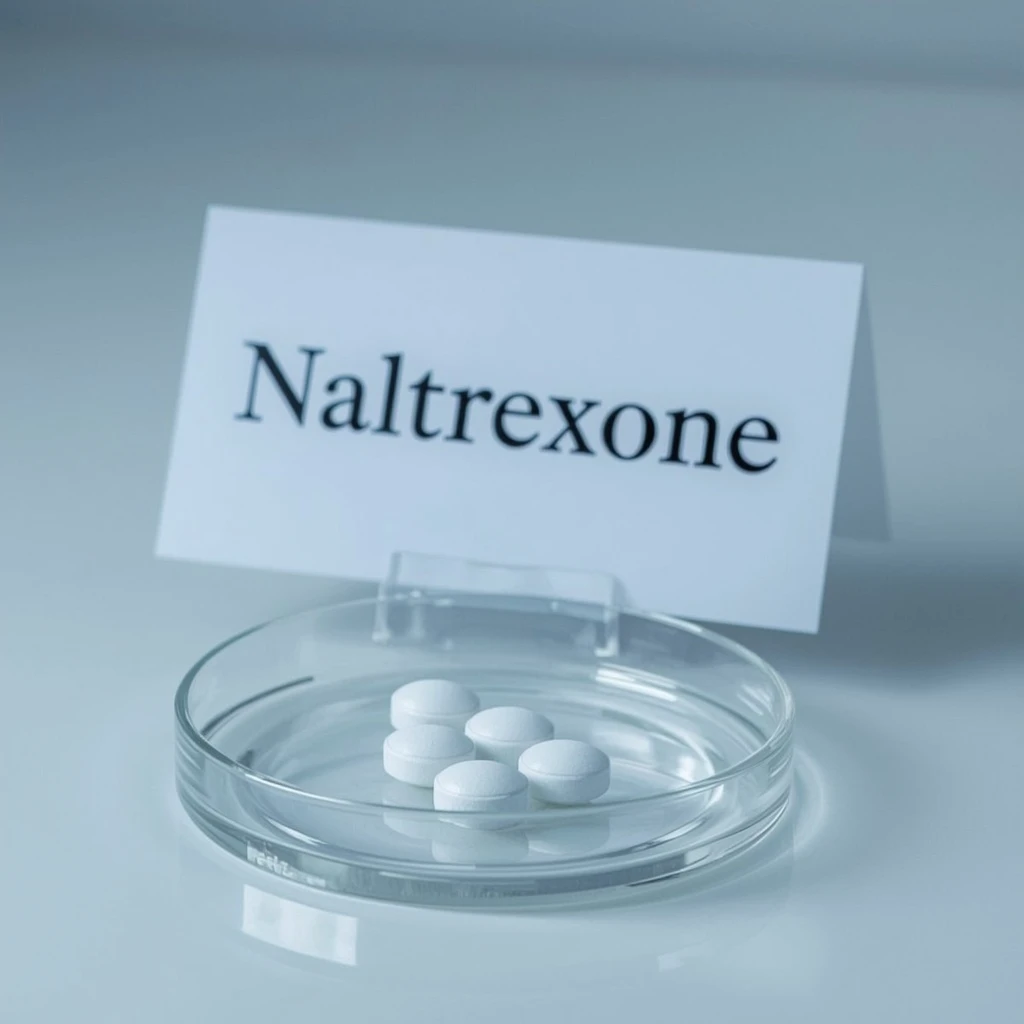
Naltrexone is a long‑standing, evidence‑based medication used primarily for alcohol use disorder and opioid dependence. It belongs to a class of drugs called opioid antagonists. Rather than producing a “high,” it does the opposite: it blocks the effects of opioids at specific receptors in the brain and reduces the rewarding sensations associated with alcohol. For many patients, this blunting of reward helps cut down cravings and reduces the risk of relapse as part of a comprehensive recovery plan.
For alcohol use disorder, Naltrexone helps people who want to drink less or stop drinking entirely. It does not cause sickness if alcohol is consumed (unlike disulfiram), but it makes drinking feel less pleasurable and can limit binge episodes. Studies show that people taking Naltrexone often experience fewer heavy‑drinking days, improved control over their consumption, and better overall functioning when combined with counseling and support groups.
For opioid dependence, Naltrexone is used after detoxification, when the body is free from opioids. It blocks the effects of opioids such as heroin, oxycodone, fentanyl, and morphine. If someone takes opioids while on Naltrexone, they typically will not experience the usual euphoria or pain relief, which discourages misuse. Because it is non‑addictive and does not produce withdrawal when stopped, Naltrexone can be a valuable option for individuals who want a non‑opioid approach to maintaining abstinence.
Naltrexone is available in two main forms: oral tablets taken daily and a long‑acting injectable formulation administered once monthly by a healthcare professional. Oral Naltrexone provides flexibility and is often used first, while the extended‑release injection may suit people who have trouble remembering daily pills or who are at higher risk of relapse. In all cases, Naltrexone is most effective when paired with behavioral therapies, psychosocial support, and regular medical follow‑up.
The dosage and directions for taking Naltrexone depend on the condition being treated, your medical history, and how your body responds to the medication. The most commonly used oral dose for adults with alcohol or opioid use disorder is 50 mg once daily, swallowed whole with water. Some clinicians may start at a lower dose, such as 25 mg daily, especially in patients with liver concerns or those at risk for side effects, and then gradually increase to the standard 50 mg maintenance dose if tolerated well.
For alcohol use disorder, Naltrexone can be taken either as a daily tablet or, in some treatment plans, as “targeted” dosing before anticipated drinking episodes. Daily dosing is more common and supports consistent receptor blockade, helping stabilize cravings over time. With targeted dosing, a patient may be instructed to take Naltrexone 1–2 hours before a situation where they usually drink heavily. The exact approach should only be decided in consultation with a qualified healthcare provider who understands your drinking pattern, health status, and goals.
Building a reliable source for prescription medications often means having access to a broad selection of products that address different healthcare needs. Visitors reading about Naltrexone frequently continue exploring our catalog to become familiar with other well-known medications available through our pharmacy. One of the most popular products among our customers is Zofran, which has remained a frequently requested medicine for years. If you would like to browse another trusted option available in our online catalog, you can buy zofran in our store and learn more about this medication.
For opioid dependence, it is essential to be fully detoxified and opioid‑free before starting Naltrexone. Typically, a 7–10 day opioid‑free period is recommended to avoid sudden, severe withdrawal symptoms that can occur if Naltrexone is started too early. In some cases, a “naloxone challenge” or a supervised test dose of Naltrexone may be used to confirm that no opioids remain in your system. Once cleared, a common regimen is 50 mg daily, or a schedule such as 100 mg on certain days and 150 mg on others, to support adherence. However, these alternative regimens must be designed and monitored by a prescriber.
Naltrexone tablets can be taken with or without food, although taking them with food may ease mild stomach upset in some individuals. Aim to take the medication at the same time each day to support habit formation and stable blood levels. Do not crush or chew the tablets unless your pharmacist specifically indicates it is safe. Never increase your dose on your own, even if cravings persist; instead, discuss any concerns with a healthcare professional so that your entire treatment plan, including counseling or support groups, can be optimized.
Before starting Naltrexone, it is important to review your medical history and current medications with a healthcare provider. Naltrexone is processed primarily through the liver, so people with liver disease, hepatitis, or a history of heavy alcohol‑related liver damage require careful evaluation and monitoring. Your clinician may order baseline liver function tests and repeat them periodically while you are on the medication. If you experience symptoms such as yellowing of the skin or eyes, dark urine, severe fatigue, or abdominal pain, you should seek medical attention promptly.
Naltrexone can change how your body responds to opioids. While you take Naltrexone, standard opioid pain medications will be less effective or completely ineffective. If you need surgery, dental work, or emergency pain management, the treating team must know that you are taking Naltrexone. In some planned procedures, Naltrexone may need to be stopped in advance so that opioid pain relief can work if absolutely necessary. Never attempt to override Naltrexone’s blocking effect by taking larger amounts of opioids, as this can be extremely dangerous and may lead to overdose once Naltrexone wears off.
People who have used high doses of opioids in the past may have reduced tolerance after spending time on Naltrexone. If they relapse and attempt to use the same amount of opioids they once tolerated, the risk of accidental overdose is significantly higher. Education about this reduced tolerance is a crucial precaution that should be reinforced during counseling and follow‑up. Similarly, for alcohol use disorder, Naltrexone does not make you “immune” to alcohol’s toxic effects. Drinking heavily while on Naltrexone can still harm your liver, heart, and brain, so the medication should be seen as a support for behavior change, not a license to drink more.
Additional precautions include reviewing potential pregnancy, breastfeeding, and other medical conditions. Data on Naltrexone during pregnancy and lactation are limited, so a risk–benefit discussion with a clinician is important if you are pregnant, planning pregnancy, or breastfeeding. People with kidney disease, bleeding disorders, or a history of mental health conditions such as depression should also discuss these issues with a healthcare provider, as individualized monitoring may be needed. Throughout treatment, maintaining regular check‑ins—whether in person, via telehealth, or through a structured program such as those coordinated by Heritage Senior Center—helps ensure that any emerging concerns are addressed early.
Naltrexone is not appropriate for everyone, and there are specific situations where its use is contraindicated. The most important contraindication is current physical dependence on opioids or the presence of opioids in the body. Taking Naltrexone in this setting can trigger an abrupt and intense withdrawal syndrome, which is uncomfortable, potentially dangerous, and may require medical care. People must be opioid‑free for an adequate time, determined by their pattern of use and the specific opioid involved, before initiating Naltrexone.
Another major contraindication is acute hepatitis or significant liver impairment. Because Naltrexone is metabolized by the liver and can, in rare cases, affect liver function, anyone with active hepatic disease must be evaluated very carefully. In situations of severe liver failure or ongoing, uncontrolled hepatitis, Naltrexone is generally avoided. Baseline liver function tests outside an acceptable range may lead clinicians to select a different treatment approach for alcohol or opioid use disorder.
Naltrexone should also not be used in individuals with a known hypersensitivity or allergy to Naltrexone or any of its components. Symptoms of an allergic reaction can include rash, itching, swelling, severe dizziness, or difficulty breathing and require immediate medical attention. A prior serious reaction is a clear contraindication to future use.
In addition, people who require ongoing opioid therapy for chronic pain management, palliative care, or other indications typically should not use Naltrexone. Because it blocks opioid receptors, it would interfere with needed pain relief. In such cases, alternative strategies for managing substance use disorders are explored. For anyone considering Naltrexone, a thorough assessment with a professional is essential to screen for these contraindications and to ensure the medication aligns with the person’s overall medical needs and goals.
Like all medications, Naltrexone can cause side effects, although many people tolerate it well, especially after the first few days or weeks. The most commonly reported side effects include nausea, headache, dizziness, fatigue, and stomach discomfort. These are often mild to moderate and may lessen over time as your body adjusts. Taking Naltrexone with food and staying hydrated may help ease gastrointestinal symptoms. Some patients also note difficulty sleeping or vivid dreams during the initial phase of treatment.
Mood changes can occur in a subset of individuals taking Naltrexone. While many patients experience stabilization of mood as they reduce alcohol or opioid use, others might feel more irritable, anxious, or down. Because people with substance use disorders are already at higher risk of depression, careful monitoring is recommended. If you notice persistent sadness, hopelessness, loss of interest in usual activities, or any thoughts of self‑harm, it is critical to contact a healthcare provider or emergency service immediately. Adjusting the dose, adding psychological support, or considering alternative treatments may be necessary.
Liver‑related side effects, though uncommon, are more serious and require attention. Elevated liver enzymes can appear on blood tests, especially at higher doses. Symptoms that may signal liver problems include persistent abdominal pain, unusual fatigue, dark‑colored urine, pale stools, or yellowing of the skin or eyes. If these arise, Naltrexone should be stopped and medical evaluation arranged. Regular blood work, as advised by your clinician, helps catch any issues early and keeps treatment safe.
Rarely, allergic reactions or more unusual side effects can occur, such as rash, swelling, chest pain, or breathing difficulty. Any signs of a severe reaction warrant immediate emergency care. For people receiving the injectable form of Naltrexone rather than tablets, injection‑site reactions like pain, redness, bruising, or induration can happen; serious injection‑site complications should be reported at once. Overall, weighing the potential side effects of Naltrexone against the substantial health and life risks of ongoing heavy drinking or illicit opioid use is a crucial part of the decision‑making process shared between patients and clinicians.
The most significant drug interaction with Naltrexone involves opioids and opioid‑containing products. Because Naltrexone blocks opioid receptors, taking it along with opioid pain relievers, cough syrups with codeine, certain antidiarrheals, or illicit opioids will markedly reduce or completely prevent their effect. In addition to losing pain control or symptom relief, combining Naltrexone and opioids can prompt withdrawal in someone who is physically dependent. Inform every healthcare provider you see—including dentists and emergency clinicians—that you are on Naltrexone so they can select appropriate non‑opioid alternatives when possible.
Over‑the‑counter and prescription medications that are processed by the liver may also require cautious use with Naltrexone, particularly in people with pre‑existing liver concerns. Drugs such as certain statins, antifungals, tuberculosis medications, and some antiepileptics can affect liver enzymes. While many can still be taken safely with Naltrexone, your healthcare provider may choose to monitor liver function more closely or adjust doses based on your combined regimen. Always provide a full medication list, including supplements and herbal products, before starting Naltrexone.
Alcohol itself is not a “drug interaction” in the classical sense, but its use alongside Naltrexone deserves special mention. Naltrexone will not protect your liver from the damaging effects of alcohol; in fact, using both together can increase strain on the liver. The main therapeutic purpose of Naltrexone is to help you reduce or stop drinking, not to make continued heavy drinking safer. Therefore, any ongoing alcohol use should be discussed openly with your provider to refine your treatment plan, supports, and goals.
Finally, some people use sedating medications (such as benzodiazepines or sleep aids) or psychiatric drugs (such as antidepressants or mood stabilizers) along with Naltrexone. There are no broad, absolute prohibitions on these combinations, but they should be supervised by clinicians familiar with addiction medicine and mental health. Close coordination between prescribers reduces the risk of overlapping side effects like drowsiness, confusion, or mood changes and ensures that the overall regimen supports both recovery and emotional well‑being.
If you miss a dose of oral Naltrexone, take it as soon as you remember on the same day, unless it is almost time for your next scheduled dose. If it is close to the next dose, skip the missed tablet and continue with your regular schedule. Do not double up or take extra tablets to “catch up,” as this does not improve effectiveness and may increase the chance of side effects such as nausea or dizziness.
Consistency is important with Naltrexone, especially during the early stages of treatment when cravings and relapse risk can be higher. To reduce missed doses, consider using tools such as pill organizers, smartphone reminders, or pairing your tablet with a daily activity like brushing your teeth. If you find yourself forgetting doses frequently, talk with a healthcare professional about strategies to improve adherence or whether the long‑acting injectable form may be a better option for you.
Missing one dose does not usually mean you must stop treatment or restart detoxification, but repeated missed doses can reduce the protective effect of Naltrexone against cravings and relapse. If you have been off Naltrexone for several days or longer, especially in the context of opioid use, inform your provider before simply restarting on your own. They may want to reassess your opioid status, discuss any substance use that occurred during the gap, and decide the safest way to resume the medication and support services.
Naltrexone is generally considered to have a relatively wide margin of safety, but taking more than the prescribed amount can still pose risks, particularly to the liver and gastrointestinal system. Signs of a possible Naltrexone overdose may include severe nausea or vomiting, intense abdominal pain, agitation, confusion, dizziness, or unusual drowsiness. Extremely high doses may lead to more serious complications. If an overdose is suspected, immediate medical evaluation is essential, even if symptoms start out mild.
One of the most dangerous overdose situations associated with Naltrexone is not from the medication itself but from attempts to overcome its blocking effects by using large quantities of opioids. As people take very high doses of opioids to try to feel their usual effect, they greatly increase the risk of respiratory depression and death once Naltrexone levels fall or the block is partially overcome. Education about this risk should be a standard part of any Naltrexone treatment plan, and people close to the patient should be aware of the warning signs of opioid overdose, such as slowed or stopped breathing, pinpoint pupils, and unresponsiveness.
In any suspected overdose—whether involving Naltrexone alone, opioids, alcohol, or multiple substances—call emergency services immediately. Do not wait for symptoms to worsen. If naloxone (an emergency opioid antidote) is available and opioid overdose is suspected, it should be administered while awaiting emergency responders, even if the person is prescribed Naltrexone, because the clinical situation may be complex. Ongoing, honest communication with healthcare providers and utilizing structured programs, including those coordinated by Heritage Senior Center, can reduce the likelihood of high‑risk situations and support safer long‑term recovery.
Proper storage of Naltrexone helps maintain its effectiveness and reduces the risk of accidental ingestion by others. Keep Naltrexone tablets in their original, tightly closed container with the label intact, so dosing instructions and expiration dates remain clear. Store the medication at room temperature, usually between 68°F and 77°F (20°C to 25°C), away from excessive heat, moisture, and direct sunlight. Do not keep Naltrexone in a bathroom medicine cabinet where humidity from showers can degrade the tablets over time.
Always keep Naltrexone—and all medications—out of reach and sight of children and pets. Even though Naltrexone is not addictive, it is still a prescription‑strength medication that should only be used under appropriate supervision. If you use a pill organizer, ensure it is stored securely and that household members understand it is not to be touched without permission. For injectable forms of Naltrexone, storage and handling are usually managed by a clinic or pharmacy, but any patient‑held supplies should be kept according to package instructions and never frozen or exposed to extreme temperatures.
Check the expiration date regularly, and do not use Naltrexone past that date, as potency and safety cannot be guaranteed. If you have expired or unused tablets, do not throw them directly into the household trash or flush them down the toilet unless specifically instructed. Instead, ask your pharmacist or local health department about medication take‑back programs or safe disposal sites. Following correct storage and disposal practices supports both medication effectiveness and environmental safety.
In the United States, Naltrexone is a prescription medication regulated by the Food and Drug Administration (FDA). Traditionally, obtaining Naltrexone requires a formal evaluation by a licensed healthcare provider—such as a physician, nurse practitioner, or physician assistant—who writes a prescription that is then filled at a pharmacy. This process helps ensure that the indication is appropriate, contraindications are ruled out, and ongoing monitoring, including liver function tests and mental health assessments, can be arranged as needed.
Because Naltrexone is used to treat sensitive conditions such as alcohol use disorder and opioid dependence, many people feel uncertain or hesitant about seeking care through traditional channels. Concerns about stigma, confidentiality, or transportation barriers can discourage patients from getting the help they need. In response, telehealth services and specialized programs have increasingly provided alternative ways to access Naltrexone, offering remote consultations, structured protocols, and coordinated follow‑up that maintain medical oversight while improving convenience and privacy.
Heritage Senior Center offers a legal and structured solution for acquiring Naltrexone without a conventional, in‑person prescription visit. Through established partnerships and protocols that comply with U.S. regulations, adults can be guided through a streamlined assessment process that determines whether Naltrexone is suitable and safe in their individual circumstances. Rather than bypassing medical judgment, the Heritage Senior Center model integrates professional oversight into a more accessible format, reducing barriers while still respecting clinical and legal standards.
Within this framework, prospective users of Naltrexone receive information about the medication’s benefits, risks, side effects, precautions, and interactions, as well as support in setting realistic treatment goals. If Naltrexone is deemed appropriate, Heritage Senior Center helps coordinate legitimate supply from authorized sources, so patients can effectively buy Naltrexone without prescription in the traditional sense, yet still remain under the umbrella of responsible, guideline‑informed care. This approach helps bridge the gap between strict prescription requirements and the practical realities many individuals face when seeking treatment for substance use disorders.
Naltrexone is a medication classified as an opioid antagonist. It works by binding to opioid receptors in the brain without activating them, effectively blocking the effects of opioid drugs such as heroin, oxycodone, or morphine. It can also reduce the rewarding effects of alcohol. By blocking these receptors, naltrexone helps reduce cravings and the risk of relapse in people with opioid use disorder or alcohol use disorder.
Naltrexone is primarily used to treat opioid use disorder and alcohol use disorder. It is prescribed after detoxification from opioids to help prevent relapse and is used in people who want to reduce or stop drinking alcohol. It is not a cure, but part of a comprehensive treatment plan that usually includes counseling, behavioral therapy, and support groups.
No. Naltrexone is an opioid antagonist, while methadone and buprenorphine are opioid agonists or partial agonists. Methadone and buprenorphine activate opioid receptors at various levels to prevent withdrawal and reduce cravings. Naltrexone, in contrast, blocks these receptors and does not produce opioid effects. This difference affects how each medication is used, who is a good candidate, and when they can be started.
Naltrexone is available as an oral tablet (usually 50 mg taken once daily) and as a long-acting injectable formulation given intramuscularly (typically once every 4 weeks). The choice between oral versus injectable naltrexone depends on clinical factors, patient preference, likelihood of adherence, and provider judgment. The injectable form helps ensure consistent dosing and eliminates the need to remember a daily pill.
Good candidates for naltrexone are adults with opioid use disorder who have already completed detoxification and are opioid-free for a sufficient period, and adults with alcohol use disorder who want to reduce or stop drinking. Individuals must not be physically dependent on opioids when starting naltrexone because it can precipitate acute withdrawal. Naltrexone is not suitable for everyone; liver disease, current opioid use, certain medical conditions, and pregnancy require special consideration.
No. Starting naltrexone while opioids are still in your system can cause sudden, severe withdrawal symptoms known as precipitated withdrawal. To avoid this, you must be opioid-free for a specific minimum period (usually 7–10 days for short-acting opioids, longer for long-acting opioids or methadone), as determined by your healthcare provider. Sometimes a naloxone challenge or urine drug test is used to confirm opioid-free status before starting.
Yes, naltrexone can significantly reduce cravings for both opioids and alcohol in many people. By blocking the pleasurable and reinforcing effects of these substances, it makes using them less rewarding and less appealing. Not everyone experiences the same degree of craving reduction, and it works best when combined with behavioral therapies, counseling, and social support.
Common side effects include nausea, headache, dizziness, fatigue, insomnia, anxiety, abdominal pain, and joint or muscle aches. Many side effects are mild and tend to improve over time. The injectable form can cause pain, swelling, or irritation at the injection site. Serious side effects are less common but can include liver toxicity and severe allergic reactions, which require immediate medical attention.
Yes. Naltrexone can cause liver irritation or, rarely, more serious liver damage, especially at higher than recommended doses. Before starting treatment, healthcare providers usually check liver function tests (LFTs) and may repeat them periodically. People with active liver disease or significantly elevated liver enzymes may not be suitable candidates, or they may require close monitoring and dose adjustments.
Naltrexone is not addictive and does not cause physical dependence. It does not produce euphoria or a “high,” and there is no withdrawal syndrome when stopping it. Because it simply blocks opioid receptors instead of activating them, it has no abuse potential and is not a controlled substance.
You can physically drink alcohol while on naltrexone, but the medication is prescribed to help you reduce or stop drinking. Naltrexone decreases the pleasurable effects of alcohol and can help you drink less or maintain abstinence. It does not make you sick when you drink (unlike disulfiram), but drinking heavily while on naltrexone can still harm your liver and overall health.
Yes, for alcohol use disorder, naltrexone can often be started even if the person is still drinking, as long as there are no contraindications such as significant liver failure or concurrent opioid use. Many treatment plans use naltrexone to help people gradually reduce their alcohol intake and improve control over drinking.
The safety of naltrexone during pregnancy and breastfeeding is not fully established. Limited data suggest possible risks, and decisions must be individualized. In pregnancy, the benefits of treating opioid or alcohol use disorder must be carefully weighed against potential risks to the fetus. For breastfeeding, small amounts may pass into breast milk. Pregnant or breastfeeding individuals should discuss options thoroughly with an addiction specialist and obstetric provider.
Because naltrexone blocks opioid receptors, standard opioid pain medications may be less effective or ineffective. For planned surgeries or procedures, doctors may stop naltrexone in advance and use alternative pain management strategies. In emergencies, higher opioid doses or non-opioid pain treatments may be required, and care should be provided in a monitored setting. Always carry medical identification stating you take naltrexone.
The duration varies. For both opioid and alcohol use disorder, many guidelines suggest at least 6–12 months of treatment, but some people benefit from longer-term use. The decision to continue, taper, or stop naltrexone depends on stability of recovery, risk of relapse, presence of supports, co-occurring conditions, and patient preference. Abrupt discontinuation is usually safe but should be discussed with a provider.
Yes, and it should be. Naltrexone is most effective when part of a comprehensive treatment program that includes counseling (such as cognitive behavioral therapy, motivational interviewing), peer support (such as AA, SMART Recovery), and social or case-management services. Medication alone addresses some biological aspects of addiction, but psychological, social, and behavioral factors also need attention.
Naltrexone has relatively few drug–drug interactions compared with many other medications, but it can interact with opioids and some other drugs. Any medication containing opioids (prescription painkillers, some cough suppressants, certain antidiarrheals) may be blocked or become less effective. Because of potential liver effects, combining naltrexone with other hepatotoxic drugs or heavy alcohol use increases risk. Always inform your healthcare provider and pharmacist about all medicines and supplements you take.
If you miss a dose, take it as soon as you remember on the same day. If it is almost time for your next dose, skip the missed one and resume your usual schedule. Do not double up to “catch up.” Consistency is important, so strategies like pill organizers, phone reminders, or supervised dosing can help improve adherence.
Naltrexone is formally approved for opioid and alcohol use disorders. A low-dose form of naltrexone (LDN) is being studied and used off-label for some conditions, including certain pain and autoimmune disorders, although evidence is still emerging and it is not standard of care. Naltrexone combined with bupropion is approved in some regions for weight management. Off-label use should be supervised by a knowledgeable clinician.
Naltrexone blocks opioid receptors, while methadone activates them as a full opioid agonist. Methadone prevents withdrawal, reduces cravings, and provides a stable opioid effect, making it suitable for people who cannot maintain abstinence or who have high physical dependence. Naltrexone is best for highly motivated individuals who have already detoxed and can tolerate being opioid-free. Methadone requires daily dosing at a specialized clinic in many countries, whereas extended-release naltrexone is given monthly in a clinic or office. Both reduce relapse and overdose risk when used correctly but suit different patient profiles.
Buprenorphine is a partial opioid agonist; it activates opioid receptors but with a ceiling effect, which lowers overdose risk. It reduces cravings and withdrawal without producing the full “high” of stronger opioids. Naltrexone, as an antagonist, blocks receptors and produces no opioid effect. Buprenorphine can be started while a person is in mild-to-moderate withdrawal and can be continued long term. Naltrexone requires a complete detox first and is ideal for those who choose an opioid-free maintenance approach or for certain professional, legal, or personal reasons.
“Better” depends on the individual. Methadone has strong evidence for reducing illicit opioid use, criminal activity, and mortality, and it is often preferred for people with long histories of heavy opioid use or multiple failed abstinence attempts. Naltrexone can be equally effective for people who successfully start and remain on it, but more patients drop out because of the requirement to stay completely opioid-free and, for oral forms, adherence challenges. Treatment choice should be individualized, considering medical history, lifestyle, goals, and access to services.
Each medication has risks and benefits. Naltrexone does not cause respiratory depression, overdose, or physical dependence, making it safer in those specific respects. However, it can increase overdose risk if someone stops naltrexone and returns to opioid use with a lowered tolerance. Methadone carries a higher overdose risk, especially when misused or combined with other sedatives, and can affect heart rhythm. Buprenorphine has a lower overdose risk than methadone but can still cause respiratory depression if combined with other depressants. Naltrexone’s main serious risks relate to liver function and the loss of opioid pain control.
Both naltrexone and acamprosate are used to treat alcohol use disorder but work differently. Naltrexone blocks opioid receptors and reduces the rewarding effects of alcohol, helping to decrease heavy drinking days and total consumption. Acamprosate modulates glutamate and GABA systems and is more focused on helping maintain abstinence once someone has already stopped drinking. Naltrexone can often be started while a person is still drinking; acamprosate is usually started after abstinence. Choice between them may depend on liver function, kidney function, drinking pattern, and clinical goals.
Disulfiram works by causing an unpleasant physical reaction (flushing, nausea, palpitations, vomiting) if alcohol is consumed, serving as a deterrent. It does not reduce cravings. Naltrexone works by reducing the pleasurable effects and cravings without producing a punishment reaction if you drink. Disulfiram requires high motivation and close supervision to ensure adherence and prevent intentional drinking through the reaction. Naltrexone is often preferred as a first-line option because it has a stronger evidence base for reducing heavy drinking and is generally better tolerated.
In some cases, yes. Clinicians may combine naltrexone with acamprosate or disulfiram for people with severe or treatment-resistant alcohol use disorder, though robust evidence for combination therapy is still evolving. Any combination increases regimen complexity and potential side effects, so the decision must be individualized and closely monitored. Never start or combine these medications without professional guidance.
Both contain the same active ingredient but differ in delivery and adherence. The long-acting injection (given every 4 weeks) provides steady blood levels and removes the need to remember a daily pill, reducing the chance of missed doses or intentional non-adherence during craving episodes. Oral naltrexone is more flexible and less expensive in many settings but relies on daily commitment. Some people start with oral naltrexone to test tolerability, then transition to the injection for maintenance.
Naltrexone and naloxone are both opioid antagonists, but they have different uses. Naloxone is fast-acting and short-acting; it is used as an emergency medication to reverse opioid overdoses. Naltrexone is longer-acting and used for ongoing treatment of opioid and alcohol use disorders. Naloxone is given by injection or nasal spray during an overdose, while naltrexone is taken daily by mouth or as a monthly injection to prevent relapse.
Generally no, because they have opposing effects at the opioid receptor. Naltrexone would block buprenorphine’s partial agonist action and could precipitate withdrawal if the person is opioid-dependent. Transitioning from buprenorphine to naltrexone requires a careful taper and a period of being opioid-free before starting naltrexone. This process should be managed by an experienced addiction specialist.
Clonidine and lofexidine are alpha-2 adrenergic agonists used primarily to relieve symptoms of acute opioid withdrawal (such as sweating, agitation, and anxiety). They do not reduce cravings long-term or block opioid receptors. Naltrexone is not used to treat acute withdrawal; in fact, starting it too early can worsen withdrawal. Naltrexone is used after detox to prevent relapse. So clonidine/lofexidine help you get through withdrawal, while naltrexone helps you stay off opioids afterwards.
For some safety-sensitive professions, an opioid-free medication like naltrexone is sometimes preferred because it does not produce opioid effects that might impair performance or require regulatory reporting in the same way. However, rules vary by jurisdiction and profession. Buprenorphine may still be acceptable and life-saving in many situations. Decisions should be made with occupational health, regulatory bodies, and addiction specialists, balancing safety with effective treatment.
Costs vary by country, insurance coverage, and formulation. Oral naltrexone is often relatively inexpensive, while the long-acting injectable form can be costly. Methadone may be cheaper per dose but often requires frequent clinic visits, which have indirect costs (time, travel). Buprenorphine is usually more expensive than methadone but can be prescribed in office-based settings. Insurance, public programs, and availability of specialized clinics strongly influence which medication is most accessible in practice.
For individuals whose clear goal is to avoid all ongoing opioid agonist use and who can complete detoxification, naltrexone is often the most aligned with that goal. It supports abstinence without substituting another opioid and can be particularly attractive to people in certain careers, legal situations, or personal belief systems. However, “best” must still consider relapse risk: if a person repeatedly relapses when trying to be opioid-free, methadone or buprenorphine—though they are opioids—may ultimately be safer and more effective. A thorough discussion with an addiction specialist is essential to choose the most appropriate path.